
Ceramic vs Reflective Window Film: Which Is Better?
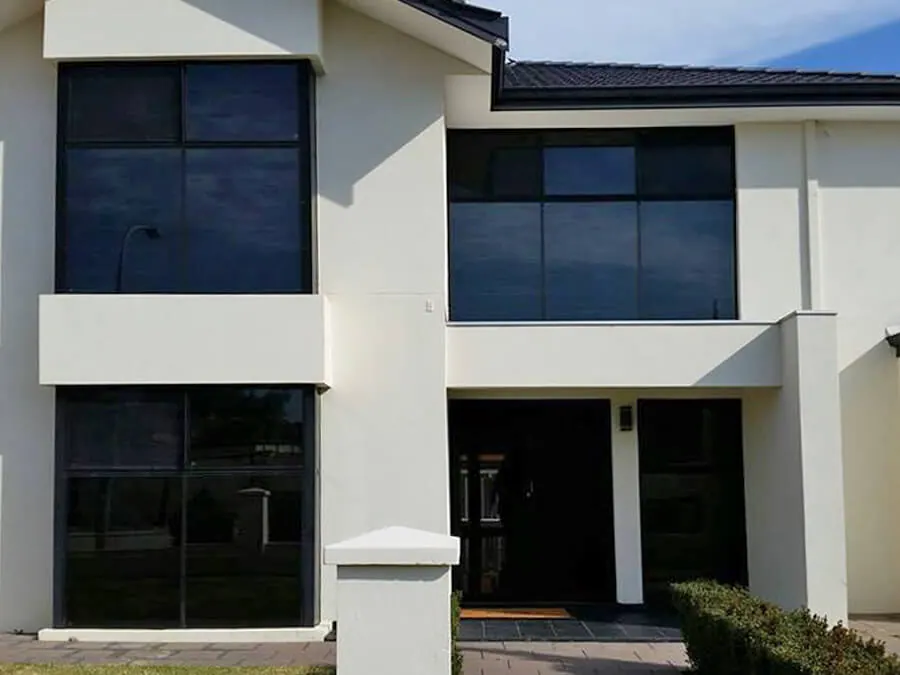
Ceramic vs reflective window film is one of the most common comparisons people ask us about. Both types reduce heat, glare and UV. They do it in different ways, look very different and suit different homes. Neither one is “better” in every situation. Each type has its own advantages, and the right choice comes down to the specs and what you want from your windows.
This guide compares ceramic and reflective window film on heat rejection, looks, privacy, glare and night-time view, using official Solar Gard figures.
What is reflective window film?
Reflective window film has a thin metallised layer that reflects a large share of the sun’s energy away from the glass. From outside it looks like a mirror, silver, bronze or grey depending on the film. From inside, you see out through a tinted view.
In the Solar Gard range, reflective films include Silver, Solar Bronze, Stainless Steel, Sterling, and the dual reflective TrueVue and Slate films, which are reflective outside and less reflective inside.
What is ceramic window film?
Ceramic window film uses ceramic particles to absorb and block solar heat, especially infrared, without a mirror finish. It looks much more like untreated glass from outside and keeps a natural view from inside. You’ll also see it called nano ceramic film.
Solar Gard’s Ceramic CX range is a low-reflective ceramic film in three shades: 35, 50 and 60.
Ceramic vs reflective: the specs side by side
Official Solar Gard figures on 6mm clear glass:
| Film | Type | Visible light | Reflect. outside | Reflect. inside | Heat rejected |
|---|---|---|---|---|---|
| Ceramic CX 35 | Ceramic | 37% | 16% | 15% | 58% |
| Ceramic CX 50 | Ceramic | 50% | 13% | 11% | 48% |
| Ceramic CX 60 | Ceramic | 61% | 11% | 9% | 40% |
| TrueVue 30 | Dual reflective | 31% | 22% | 13% | 61% |
| Silver 35 | Reflective | 33% | 39% | 38% | 65% |
| TrueVue 15 | Dual reflective | 12% | 44% | 23% | 77% |
| Silver 20 | Reflective | 16% | 57% | 58% | 77% |
Heat rejection
Advantage: reflective. At a similar darkness, reflective films reject more heat. Ceramic CX 35 lets in 37% of light and rejects 58% of solar energy. Silver 35 lets in 33% and rejects 65%. Go darker and reflective films reach 77–79%, which no ceramic film in this range gets close to.
If maximum heat reduction is your priority, especially on hot west-facing glass, reflective film is usually the answer. See the best window film for heat reduction.
Looks from the street
Advantage: ceramic. Ceramic CX reflects 11–16% of light from outside, close to plain glass. Reflective films range from about 22% to over 50%, which gives that mirrored look.
This matters if:
- You like the natural look of your home
- Your strata or council limits reflective film (common in apartments, see can I tint my apartment windows?)
- You only want to tint some windows and don’t want them to stand out
Daytime privacy
Advantage: reflective. Reflective film gives one way privacy during the day. People outside see a reflection while you see out. Ceramic film gives very little privacy, because it isn’t reflective.
If privacy is the main reason you want tint, look at our one way mirror window film and privacy window film pages.
The view at night
Advantage: ceramic. At night, with the lights on inside, reflective film can act like a mirror on the inside, making it harder to see out. Ceramic films have low interior reflectance, so your view stays clearer.
Dual reflective films like TrueVue sit in the middle. They’re reflective outside and much less reflective inside, which is why they’re popular in homes.
Glare
Both work. Glare reduction mostly depends on how dark the film is. A 35% ceramic film and a 35% reflective film cut glare by a similar amount. Read more on our anti-glare window film page.
UV and fading
Both work. Both ceramic and reflective films block more than 99% of UV. Reflective films usually have slightly higher fade reduction figures because they also block more heat and light. See does window tint stop fading?
Glass compatibility
Both types need a glass check. Darker and more absorbing films heat the glass more, which can be a risk on some double glazed, tinted or large panes. We check your glass before recommending any film. See can you tint double glazed windows?
Ceramic vs reflective: quick summary
| If you want… | Choose |
|---|---|
| Maximum heat rejection | Reflective (TrueVue, Silver) |
| Daytime privacy | Reflective or dual reflective |
| A natural look from outside | Ceramic |
| A clear view out at night | Ceramic or dual reflective |
| Strata-friendly film | Ceramic (check your by-laws) |
| Bright rooms with some heat control | Ceramic CX 60 or LX |
Real-world examples
Here’s how ceramic vs reflective window film usually plays out in Sydney homes:
- West-facing living room with a big sliding door, no strata rules. Heat is the main problem, and privacy from the street would be a bonus. A dual reflective film like TrueVue 30 or TrueVue 15 usually wins.
- Apartment with strict strata by-laws. Reflective film isn’t allowed, but the unit is hot. Ceramic CX 35 or a spectrally selective film keeps the building’s look and still rejects a solid share of heat.
- Heritage home where the street view matters. The owner wants UV protection for timber floors and some heat control, but doesn’t want mirrored windows. Ceramic CX 50 or 60 is a good fit.
- Home office with screen glare. A medium ceramic or dual reflective film around 30–40% light cuts glare. See how to stop glare on office screens.
What about spectrally selective films?
There’s a third option worth knowing about. Spectrally selective films, like Solar Gard LX, are designed to block infrared heat while letting most visible light through, with very low reflectance. LX 25 rejects 65% of solar energy with just 5% exterior reflectance, and LX 70 lets in 70% of visible light while rejecting 54%. They sit between ceramic and reflective films: a natural look like ceramic, with stronger heat rejection for their darkness.
Which is better for your home?
Ceramic vs reflective window film isn’t about which film is better overall. It’s about which advantages matter to you. Reflective film wins on heat and privacy. Ceramic film wins on looks and the night-time view. Dual reflective films like TrueVue are a middle ground that many Sydney homes end up choosing.
As a Solar Gard Authorised Dealer, we install both, with their official specs and manufacturer warranties. Read more about our heat reduction window film or residential window tinting, and send us your glass sizes through the quote form. Tell us what matters most to you and we’ll recommend the right film.