Can I Tint My Apartment Windows? Strata Rules Explained
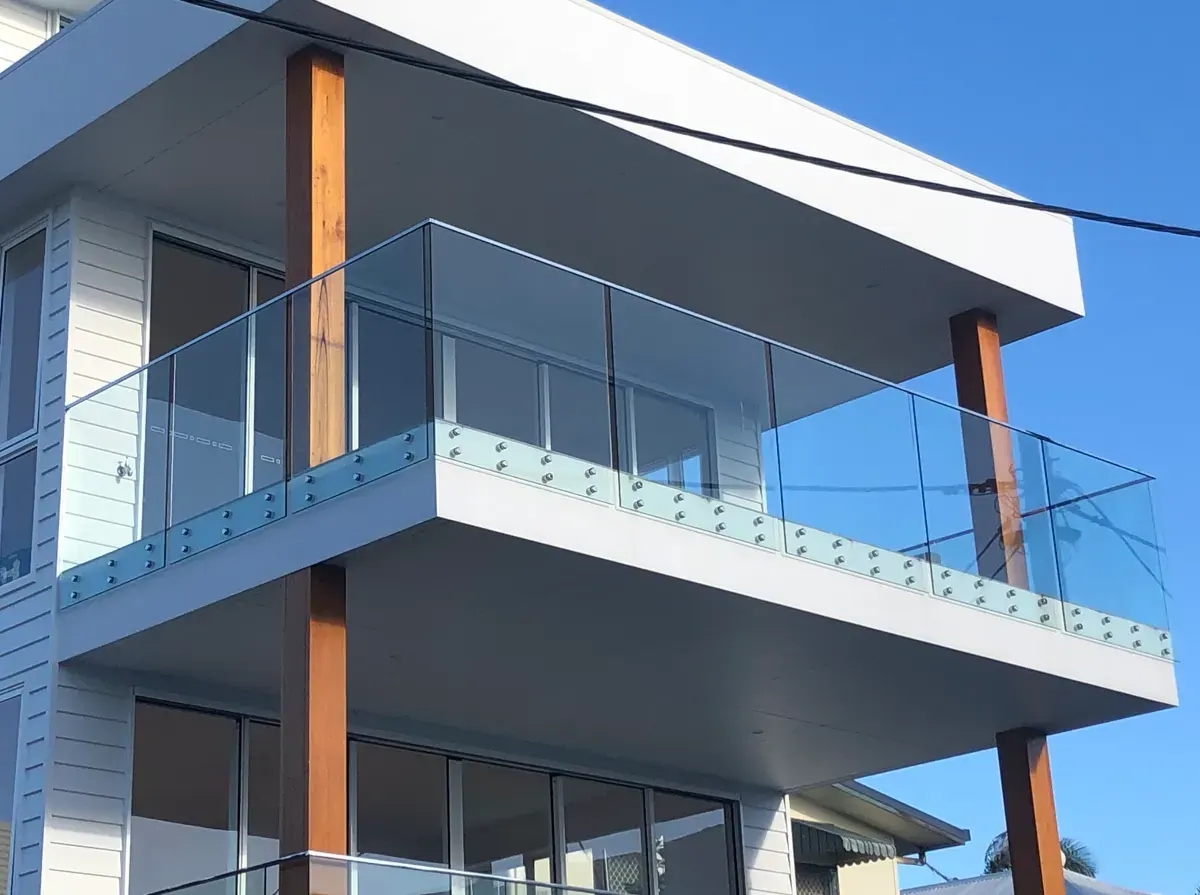
Yes, you can tint apartment windows. Apartment window tinting is one of the best ways to deal with heat, glare and privacy in units, especially those with big glass sliding doors and west-facing balconies. But in a strata building there’s one step you can’t skip: any installation in a strata-managed property has to be pre-approved by strata management.
This guide explains why strata has rules about window film, what’s usually allowed, and how to get your apartment window tinting approved without trouble.
Why strata cares about your windows
In most strata schemes, the windows, or at least their outside appearance, are treated as common property or are covered by by-laws about the look of the building. Even though the film goes on the inside of the glass, it changes how the window looks from outside. That’s why strata usually wants a say.
Strata rules on window film usually come down to two things.
1. Reflective film and the risk of glare
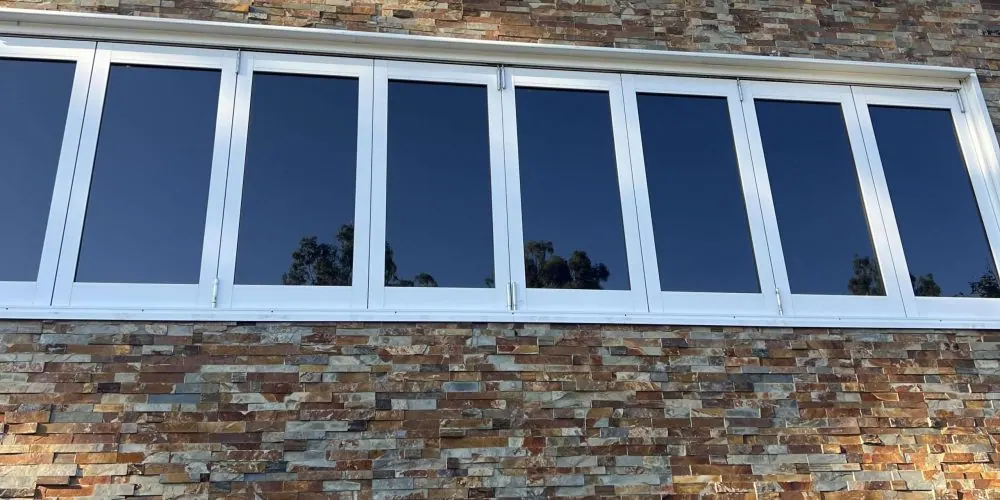
Strata often has strict rules against reflective films. Highly reflective film acts like a mirror, and on a sunny day it can reflect sunlight down onto the street, into neighbouring buildings or into the eyes of drivers. That reflected glare can create a traffic hazard, so many strata schemes limit or ban reflective films, especially on lower floors facing a road.
2. Dark film and the look of the building
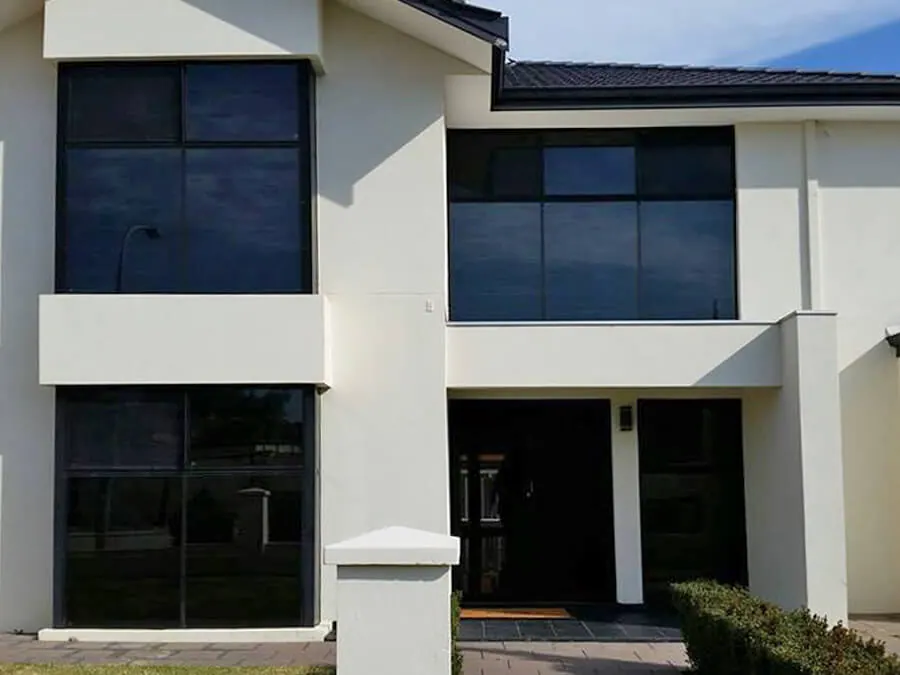
Strata also commonly restricts very dark films. Owners corporations want the building to look uniform. If one apartment has very dark windows and the rest are clear, it stands out from the street. By-laws often say that any film must match the existing glass or stay within a certain darkness.
What apartment window film is usually approved?
Every building is different, so your by-laws decide. In general, the films most likely to be approved are those that don’t change the look of the building much:
| Film type | Look from outside | Approval chance |
|---|---|---|
| Ceramic (e.g. Solar Gard Ceramic CX) | Close to clear glass, low reflection | High |
| Spectrally selective (e.g. Solar Gard LX) | Very low reflection, light | High |
| Light neutral films | Slight tint | Medium to high |
| Dual reflective (e.g. TrueVue) | Reflective outside | Depends on building |
| Silver / mirror films | Full mirror | Often restricted |
| Very dark films | Dark tint | Often restricted |
Low-reflective films still give real heat reduction. Solar Gard Ceramic CX 35 rejects 58% of solar energy, and LX 25 rejects 65% with only 5% exterior reflectance. See ceramic vs reflective window film.
Frosted and privacy film in apartments
Frosted film on bathroom windows or internal glass is often treated differently, because it may not be visible from the street. Privacy film on street-facing glass may still need approval. Check your by-laws, or ask your strata manager. See privacy window film that still lets light in.
How to get strata approval for window tinting
Here’s the process we recommend:
- Read your by-laws. Look for rules about windows, glazing, window coverings or the external appearance of lots.
- Get a quote with film details. Ask us for a quote that names the exact film, its visible light transmission and its exterior reflectance. We can provide the manufacturer’s data sheet.
- Ask for a sample. A sample of the film helps the committee see what it will look like.
- Submit a request to strata. Send your strata manager the film details, the data sheet, which windows you want tinted and photos of the windows.
- Get approval in writing. Don’t book the installation until you have written approval.
- Renting? Get written permission from your landlord or agent as well.
Approval can take a few weeks if it has to go to a committee meeting, so start early, especially before summer.
Common reasons strata refuses film
- The film is too reflective
- The film is too dark compared with the rest of the building
- No data sheet or film details were provided
- The request covered windows on common property, like lobby glass
Choosing a low-reflective film and providing the data up front avoids most of these.
What if my building already has a “standard” film?
Some buildings have a standard film that all owners must use so the facade stays uniform. In that case, we’ll match the specified film where possible. If the film is no longer made, we can suggest a close match for strata to approve.
Things to check on apartment glass
Apartment windows are often tinted, laminated, toughened or Low-E glass, and many are large panes. These all affect which film is safe to use, because the wrong film can cause thermal stress cracking. We always check the glass before recommending a film. See can you tint double glazed windows?
Is apartment window tinting worth it?
For many apartments, yes. Units with large west-facing glass and balcony doors can get extremely hot, and you often can’t add external shading because of strata rules. Window film is one of the few upgrades that works from the inside. It cuts heat and glare, blocks more than 99% of UV, and protects floors and furniture from fading. See does window tint really reduce heat in a house?
Questions to ask your strata manager
Before you lodge a request, it helps to ask:
- Is there a by-law about windows, window film or external appearance?
- Is there an approved or standard film for the building?
- What information does the committee need, such as data sheets, samples or photos?
- When is the next committee meeting?
- Are there any rules about when installers can work in the building, or lift bookings?
Knowing the answers up front saves time and avoids a second application.
What if I’m renting?
Renters can tint apartment windows, but you’ll need written permission from your landlord or agent, and the landlord will usually need strata approval as well. Some landlords are happy for tenants to tint at their own cost, especially when film adds value to the property. Others will ask for removable film or for the film to be removed when you move out.
If you’re renting, choose a film that strata will approve, get everything in writing, and keep the film data sheet and warranty paperwork to hand over to the landlord.
The bottom line
Can you tint your apartment windows? Yes, but in a strata building you’ll need pre-approval from strata management first. Strata usually restricts reflective films (because of glare and traffic hazards) and very dark films (because of the look of the building). Choosing a low-reflective film and giving strata the full film specs makes approval much easier.
We’re a Solar Gard Authorised Dealer, and we can provide film data sheets and samples for your strata application. Read more about our residential window tinting and heat reduction window film, then send your glass sizes through the free quote form and let us know it’s a strata building.