Solar Gard LX Window Film
Spectrally selective film that targets the sun’s heat while letting light through, with lower reflectance than plain glass.
- Up to 65%Solar energy rejected
- 5-8%Reflectance
- >99%UV blocked
What Is The LX Series?
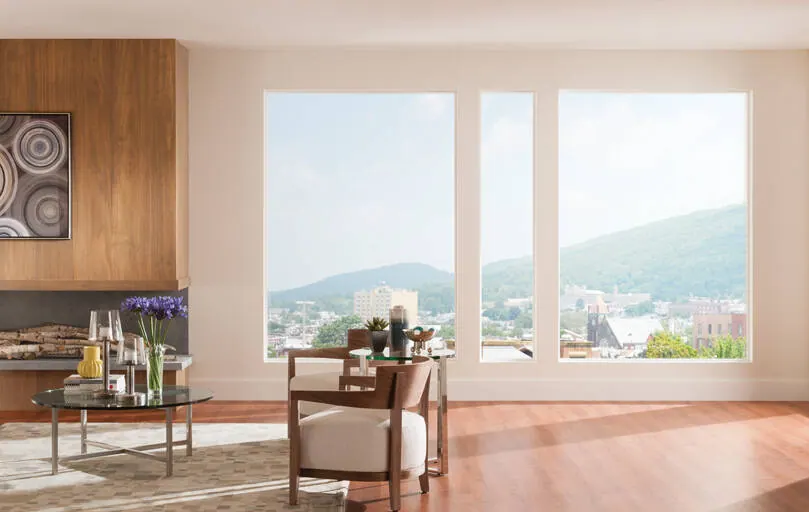
The LX Series is a spectrally selective film. It is designed to reject infrared heat while letting a high share of visible light through, so rooms stay bright but feel cooler. In some markets Solar Gard sells the same film as Hilite.
Reflectance is only 5% to 8%, which is lower than untreated glass. That means no mirror look from outside and a clear view from inside, day and night.
The range runs from LX 70, which is barely visible, to LX 25 for rooms that also need glare control.
Warranty: Solar Gard manufacturer warranty, terms confirmed in your quote.
Great for
- Homes that want heat control without a tinted look
- North and east-facing living areas
- Offices that need daylight for staff
- Buildings that restrict reflective film
Think twice if
- You want daytime privacy
- You need the very highest heat rejection on west glass
- Your budget is the main priority
LX Series Specifications
All 4 shades compared side by side. Lower VLT means a darker film; higher TSER means more heat rejected.
| Specification | LX 25 | LX 40 | LX 55 | LX 70 |
|---|---|---|---|---|
| Visible light transmittance (VLT) | 21% | 40% | 56% | 70% |
| Visible light reflectance, exterior | 5% | 6% | 7% | 8% |
| Visible light reflectance, interior | 5% | 6% | 7% | 8% |
| Total solar energy rejected (TSER) | 65% | 61% | 56% | 54% |
| Solar heat gain coefficient (SHGC) | 0.35 | 0.39 | 0.44 | 0.46 |
| UV light blocked (300 to 380 nm) | >99% | >99% | >99% | >99% |
| Glare reduction* | 76% | 55% | 37% | 21% |
| Fade reduction | 83% | 68% | 54% | 46% |
Source: Solar Gard official product data (LX is also sold as Hilite in some markets). NFRC methodology, LBNL Window software, 6mm clear glass. *Glare reduction calculated against untreated 6mm clear glass.
Which LX Series Shade Is Right For You?
LX 70
The lightest option with 70% VLT and 54% heat rejection. Almost invisible, ideal when you want to keep every bit of daylight.
LX 55
56% VLT and 56% heat rejection. A slight tint that adds some glare control while staying bright.
LX 40
40% VLT and 61% heat rejection. Good balance for living areas with afternoon sun.
LX 25
The darkest option with 21% VLT, 65% heat rejection and 83% fade reduction, still with only 5% reflectance.
Estimate Your Savings With LX Series
Use our free calculator to estimate heat reduction, glare reduction and cooling savings for your home with LX Series.
LX Series vs Ceramic CX
Both films keep a natural look. LX has lower reflectance (5-8% vs 9-16%) and rejects more solar energy at similar light levels, for example LX 40 rejects 61% versus 58% for Ceramic CX 35.
Ceramic CX is a strong all-rounder with good durability in coastal conditions. LX is the premium choice when you want the best heat rejection for the amount of light you keep.
Compare With Ceramic CXHelpful Guides
Not sure which look suits you? Compare ceramic vs reflective window film.
Worried about fading? We explain whether window tint stops floors and furniture fading.
LX Series FAQs
What does spectrally selective mean?
It means the film treats different parts of sunlight differently. It lets most visible light through but blocks much of the infrared heat, so you get a cooler room without a dark tint.
Will LX make my windows look mirrored?
No. LX has 5% to 8% reflectance, which is lower than untreated glass, so it does not create a mirror effect.
Does LX give privacy?
Not really. Because LX is non-reflective, people can see in during the day, especially with the lighter shades. For privacy, consider TrueVue, Slate or NightSky.
Which LX shade should I choose?
LX 70 or LX 55 suit rooms where light matters most. LX 40 or LX 25 suit rooms with strong afternoon sun or screen glare. We help you choose based on your windows.
Get A Free LX Quote
Send us your glass sizes and we’ll recommend the right LX shade.