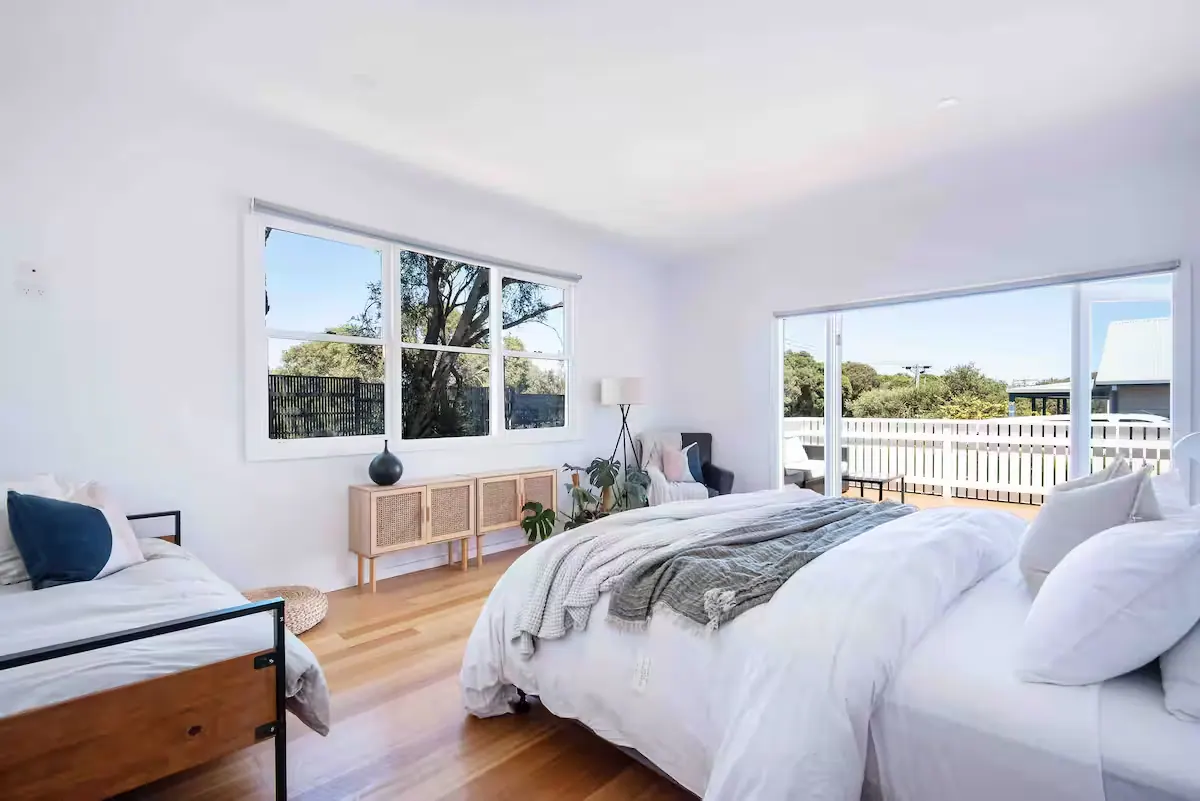
Can You Tint Double Glazed Windows?
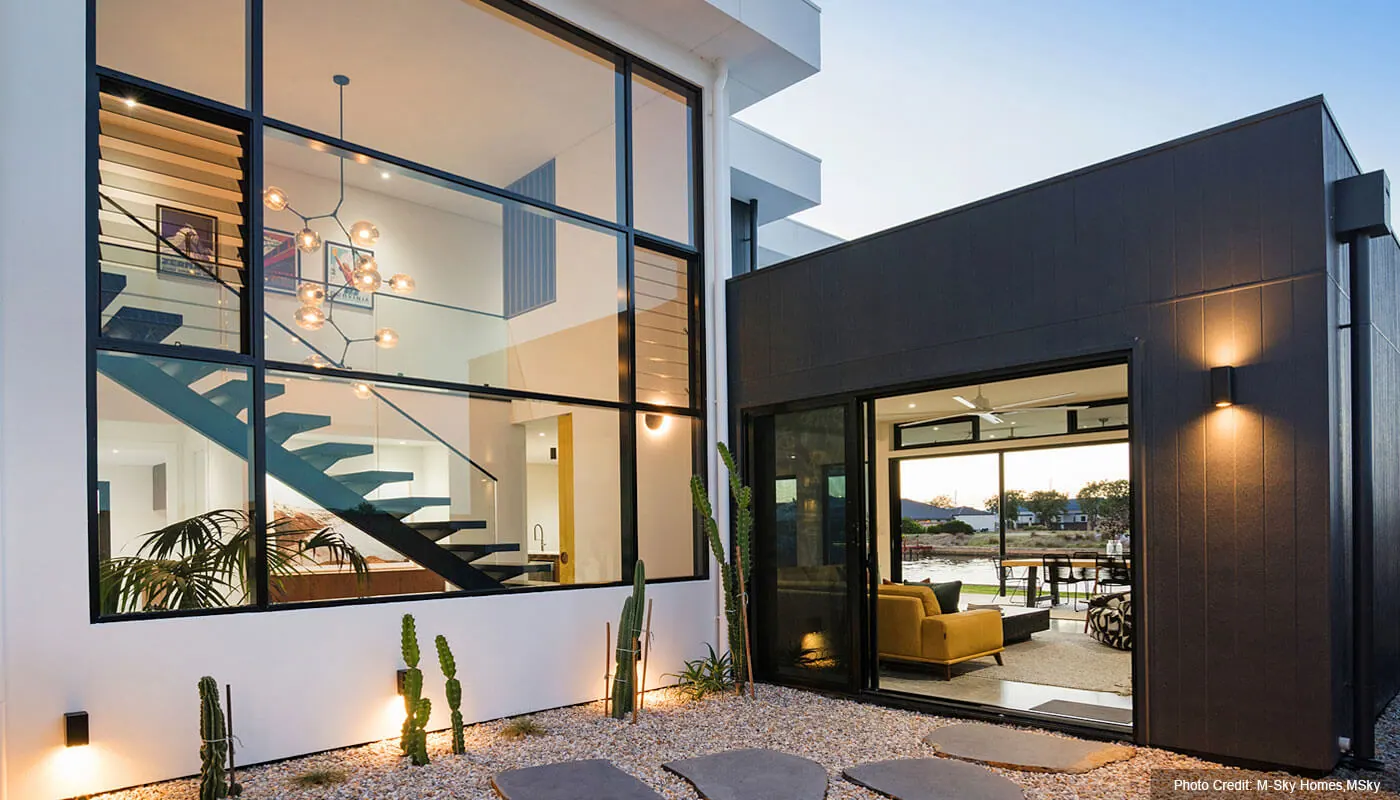
Yes, you can tint double glazed windows. We do it regularly. Window film normally goes on the inside surface of the glass, and on double glazing that means it goes on the inner pane, the one you can touch from inside the room.
But there’s an important condition. The film’s specifications always have to be checked for compatibility with your glass, especially if your double glazing has a Low-E pane. The wrong film on the wrong glass can cause thermal stress cracking.
This guide explains how tinting double glazed windows works, what can go wrong, and how we make sure the film suits your glass.
How window film goes on double glazing
A double glazed unit is two panes of glass with a sealed air or gas gap between them. The surfaces are usually numbered from outside to inside:
- Surface 1: outside of the outer pane
- Surface 2: inside of the outer pane (inside the gap)
- Surface 3: outside of the inner pane (inside the gap)
- Surface 4: inside of the inner pane, facing the room
Window film goes on surface 4, the surface facing into your room. You don’t need to take the unit apart, and the seal isn’t touched. Installation looks just like tinting a single pane.
Why the film needs to be checked first
When film absorbs or reflects the sun’s energy, the glass heats up. On a single pane, that heat escapes easily to the outside. On double glazing, the gap acts as insulation, so heat builds up more in the glass and in the gap.
If one part of the glass gets much hotter than another, for example the middle of the pane in full sun while the edges stay cool inside the frame, the glass can crack. This is called thermal stress cracking, and it’s the main risk when tinting double glazed windows.
The risk is higher with:
- Dark films that absorb a lot of energy
- Highly reflective films that bounce heat back into the unit
- Low-E glass, which already traps heat
- Tinted glass in the outer pane
- Large panes and west-facing windows in full sun
- Partial shading, such as an eave or tree that shades part of the glass
Low-E double glazing
Low-E (low emissivity) glass has a microscopically thin coating that reflects heat. It’s common in newer homes. When you add a film to a Low-E unit, the combination can push the glass temperature too high if the film isn’t chosen carefully.
That doesn’t mean Low-E glass can never be tinted. It means the film’s specifications have to be checked against the glass, and in some cases a lighter or less absorbing film is the right choice. Solar Gard publishes glass compatibility guidance for its films, and we use it on every double glazing job.
How we check your glass
Before we recommend a film for double glazed windows, we look at:
- Glass type: clear, tinted, laminated, toughened, Low-E
- Unit build: pane thickness and gap
- Size of the panes
- Which way the windows face and how much direct sun they get
- Shading: eaves, awnings, trees and neighbouring buildings
- Frame type: aluminium, timber or uPVC
Then we choose a film that suits the glass. If a film isn’t compatible, we’ll tell you and suggest one that is.
What films can go on double glazing?
Many types of window film can be used on double glazing when the glass is compatible:
- Heat reduction films to cut solar heat and glare
- Spectrally selective and ceramic films, which usually absorb less and are often easier to match to double glazing
- Privacy and frosted films for bathrooms and street-facing windows
- UV protection films to reduce fading
- Low-E films like Solar Gard Ecolux for extra insulation
Why tint double glazing at all?
People are often surprised that double glazing still lets so much heat in. Clear double glazing is good at slowing heat moving through the glass, but it does much less to stop direct solar heat coming in on a sunny day. A west-facing double glazed sliding door can still make a room very hot.
Window film adds solar heat rejection, glare control and UV protection to double glazing. Adding a Low-E film like Ecolux to double glazing also gives the best insulation of all. According to Solar Gard’s data, Ecolux 70 on a 3mm + 3mm double glazed unit reaches a winter U-value of 1.93, much better than either the film or the double glazing on its own. We compare the two in window film vs double glazing.
Privacy film for double glazed windows
Privacy film for double glazed windows is a common request, especially for bathrooms and street-facing rooms. Frosted films absorb very little heat, so they’re usually straightforward on double glazing. Reflective privacy films need the same compatibility check as heat reduction films. See privacy window film that still lets light in.
What about the glazing warranty?
Some double glazing manufacturers exclude applied films from their warranties. It’s worth checking your glazing paperwork before you tint. Choosing a film that has been checked for compatibility with your glass is the best way to avoid problems.
Signs of thermal stress to watch for
Thermal stress cracks are different from impact cracks. They usually:
- Start at the edge of the glass, often at a right angle to the edge
- Run in a single line that may curve across the pane
- Appear on sunny, cold mornings or hot afternoons when temperature differences are biggest
Choosing a compatible film and checking the glass first makes this very unlikely. It’s also why professional installation matters more on double glazing than on any other glass.
Common double glazing jobs we do
These are the most common reasons people ask us to tint double glazed windows:
- West-facing sliding doors that still overheat the living room in summer
- Bedrooms in new homes where double glazing hasn’t stopped the afternoon heat
- Bathrooms needing frosted privacy film on double glazed windows
- Home offices with glare on screens
- Low-E film added to double glazing for even better winter insulation
Tinting double glazing in apartments
You can also tint double glazed windows in apartments. Many apartments have double glazed or Low-E glass, often in large panes. The same compatibility check applies, plus strata approval if the film changes the look of the building. See can I tint my apartment windows?
The bottom line
Can you tint double glazed windows? Yes. The film goes on the inside of the inner pane, and the job looks just like tinting any other window. The key is checking the film specs against your glass first, especially with Low-E panes, to avoid thermal cracking.
As a Solar Gard Authorised Dealer, we check every double glazed window before recommending a film. Read more about our heat reduction window film and Low-E window film, or send us your glass sizes and glass type through the free quote form.