What Is the Best Window Film for Heat Reduction?
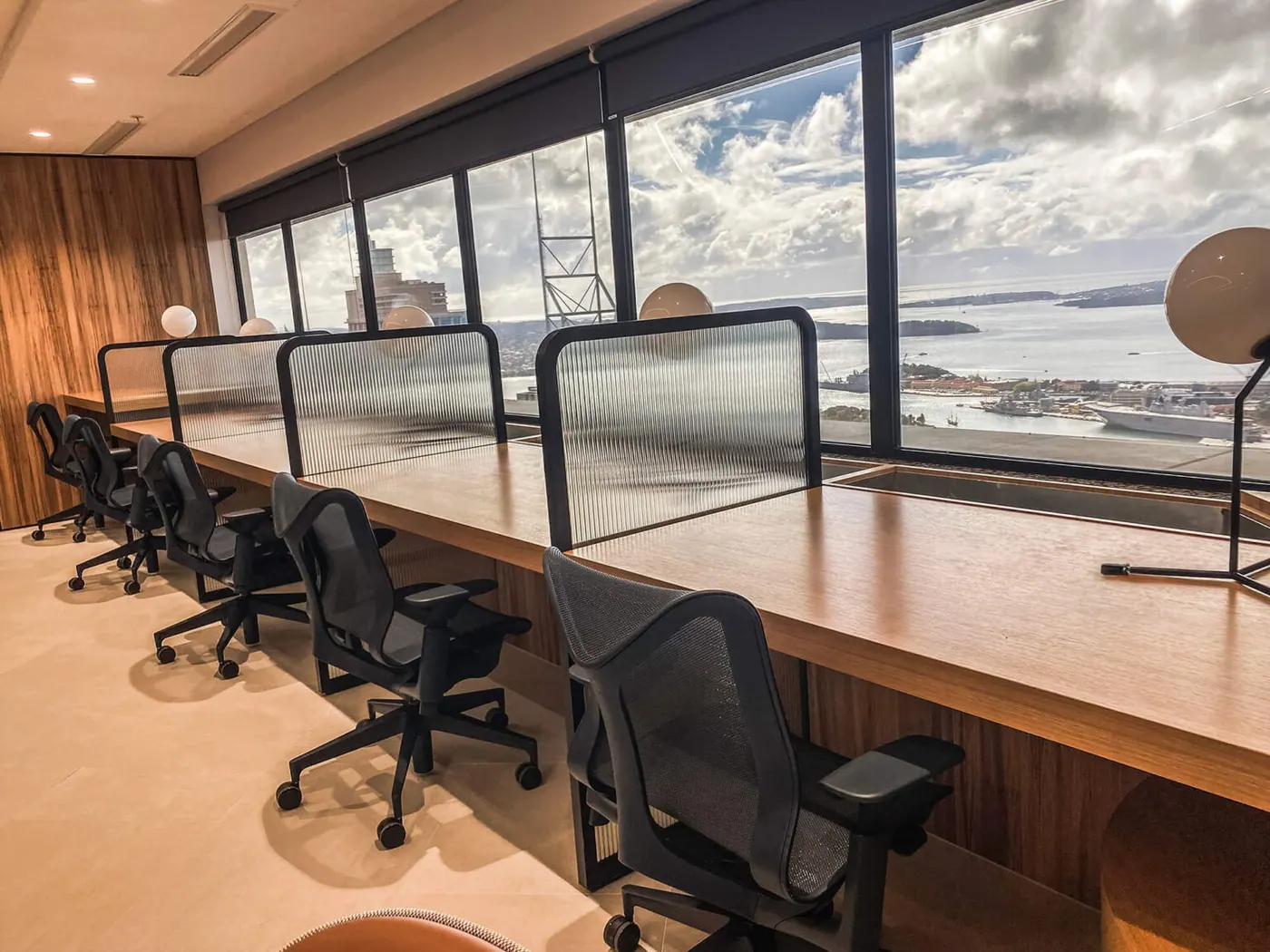
There is no single best window film for heat reduction. Every film has its own specifications, and how much heat it reduces depends on two things: how much of the sun’s energy it reflects and how much it absorbs. The best heat blocking window film for you is the one that rejects the most heat while still giving you the light, view and look you want.
In this guide I’ll show you how to compare heat reduction films using real numbers, and which Solar Gard films suit different homes and buildings.
How window film blocks heat: reflection and absorption
Sunlight hitting your window is either reflected, absorbed or let through. Heat reduction films work by increasing the first two.
- Reflective films have a metallised layer that bounces a large share of the sun’s energy away before it enters the room. They give the highest heat rejection, plus daytime privacy, but they look like a mirror from outside.
- Absorbing films (dyed, ceramic and some neutral films) soak up energy in the film and glass. Some of that energy is re-radiated outside. They look more natural but generally reject less heat than reflective films of the same darkness.
- Spectrally selective films are engineered to block the infrared (heat) part of sunlight and let most of the visible light through. They give the best heat rejection for how light they are.
Most real films combine these. That’s why you can’t judge a film by its colour alone.
The numbers that matter
When you compare films, look at these specifications:
| Spec | What it means | Better is |
|---|---|---|
| TSER (Total Solar Energy Rejected) | % of the sun’s total energy the film stops | Higher |
| SHGC (Solar Heat Gain Coefficient) | Fraction of solar heat that gets through | Lower |
| VLT (Visible Light Transmission) | % of visible light that gets through | Depends on what you want |
| Exterior reflectance | How mirrored the glass looks from outside | Depends on the look |
TSER is the one most people use to compare heat reduction films.
Comparing the best heat reduction films (Solar Gard)
Official Solar Gard figures on 6mm clear glass:
| Film | Type | VLT | Reflect. outside | TSER |
|---|---|---|---|---|
| TrueVue 5 | Dual reflective | 5% | 44% | 79% |
| TrueVue 15 | Dual reflective | 12% | 44% | 77% |
| Silver 20 | Reflective | 16% | 57% | 77% |
| Slate 10 | Dual reflective | 13% | 45% | 76% |
| Solar Bronze 20 | Reflective | 23% | 36% | 75% |
| Quantum QSQ 10 | Dark, low reflective | 10% | 22% | 69% |
| LX 25 | Spectrally selective | 21% | 5% | 65% |
| Sterling 40 | Spectrally selective | 41% | 32% | 62% |
| TrueVue 30 | Dual reflective | 31% | 22% | 61% |
| Ceramic CX 35 | Ceramic | 37% | 16% | 58% |
| LX 70 | Spectrally selective | 70% | 8% | 54% |
| Ecolux 70 | Low-E | 67% | 13% | 53% |
A few things stand out:
- The highest heat rejection comes from dark, reflective films.
- LX 25 rejects 65% with only 5% exterior reflectance, so it is a strong option if you don’t want a mirror look.
- LX 70 lets in 70% of visible light, which is close to clear, and still rejects 54% of solar energy. That’s what makes it one of the best clear window films for heat reduction.
The best film for each situation
Maximum heat rejection: west-facing glass
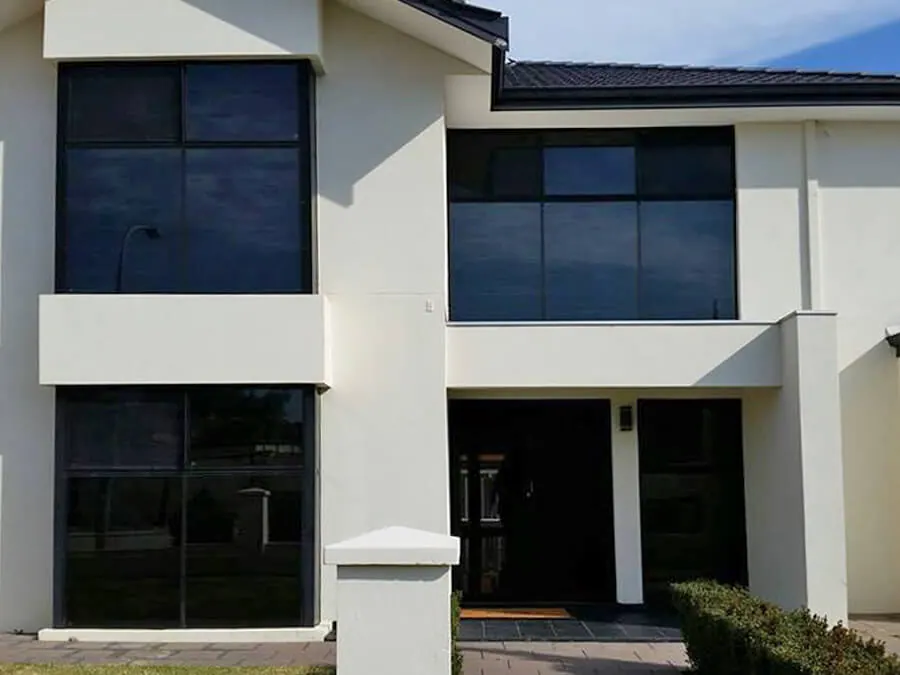
For hot west-facing rooms where you want the biggest drop in heat, dark reflective films win. TrueVue is popular in homes because it’s reflective outside but less reflective inside, so your view at night is clearer than with a full silver film. Silver gives the highest rejection with a full mirror look.
Heat reduction without a mirror look
If you or your strata don’t want reflective glass, choose a low-reflective film. Ceramic CX and LX keep a natural look from the street. We compare these approaches in ceramic vs reflective window film.
Keeping rooms bright
For living areas where you don’t want to lose daylight, spectrally selective films like LX 55 and LX 70 give the best balance of light and heat rejection.
Year-round comfort
If your home is cold in winter as well as hot in summer, Ecolux Low-E film rejects summer heat and helps keep heating inside. See our Low-E window film page.
Offices and commercial buildings
Offices usually need heat and glare control without making the space dark. Office window tinting often uses Sterling, Stainless Steel or Ceramic CX, depending on how much glare there is and what the building looks like.
Things that affect which film is best
- Your glass. Some films are not suitable for double glazed, tinted, laminated or Low-E glass because of the risk of thermal stress cracking. We always check first. See can you tint double glazed windows?
- Strata and council rules. Some buildings don’t allow reflective films. See can I tint my apartment windows?
- Privacy. Reflective films add daytime privacy. Low-reflective films add very little.
- Night-time view. Highly reflective films can act like a mirror inside at night when your lights are on.
- Budget. Premium spectrally selective films cost more per square metre. See how much window tinting costs in Sydney.
Common mistakes when choosing a heat reduction film
- Choosing by darkness alone. A darker film is not always better. Compare TSER.
- Comparing figures on different glass. Always compare films on the same glass, usually 6mm clear.
- Ignoring the look at night. Think about how the room will feel in the evening.
- Skipping the glass check. The wrong film on the wrong glass can crack it.
- Buying unbranded film. Without published specs, you don’t know what you’re getting.
Questions to ask before choosing a heat reduction film
Before you decide, ask yourself (and your installer) these questions:
- Which windows are causing the heat? West and north-west glass usually needs a stronger film than east or south.
- How much light do I want to keep? Living areas often need more light than bedrooms or media rooms.
- Do I want privacy as well? If yes, a reflective or dual reflective film does both jobs.
- How will the windows look from outside? Think about the street view and any strata rules.
- What glass do I have? Single, double glazed, tinted or Low-E glass all affect which films are safe.
- What warranty comes with the film? Make sure it’s a manufacturer warranty.
A good installer will ask you most of these before recommending a film.
So, what is the best window film for heat reduction?
The best heat reduction film is the one that matches your priorities:
- Most heat blocked: TrueVue 5, TrueVue 15 or Silver 20 (77–79% TSER)
- Most heat blocked without a mirror look: LX 25 (65% TSER, 5% reflectance)
- Best heat rejection with lots of light: LX 70 (54% TSER, 70% light)
- Summer and winter comfort: Ecolux 70
As a Solar Gard Authorised Dealer, we install all of these films with their official specifications and manufacturer warranties. Browse our heat reduction window film page or the full Solar Gard range, then send us your glass sizes through the free quote form. We’ll recommend the best window film for heat reduction for your windows.