Does Window Tint Stop Floors and Furniture Fading?
In short, yes, window tint does stop floors and furniture fading, or at least slows it right down. Fading happens mainly because of UV rays, and most modern window films block more than 99% of UV. Professional films also come with a fade reduction rating in their specifications, so you can see exactly how much protection you’re getting.
This guide explains what causes fading, how UV window film protects floors and furniture, and how to choose a film with the right fade reduction.
What causes floors and furniture to fade?
Sunlight coming through your windows contains three types of energy that cause fading:
| Cause | Share of fading damage (approx.) |
|---|---|
| UV rays | The largest single cause |
| Visible light | A significant share |
| Heat (infrared) | A smaller share |
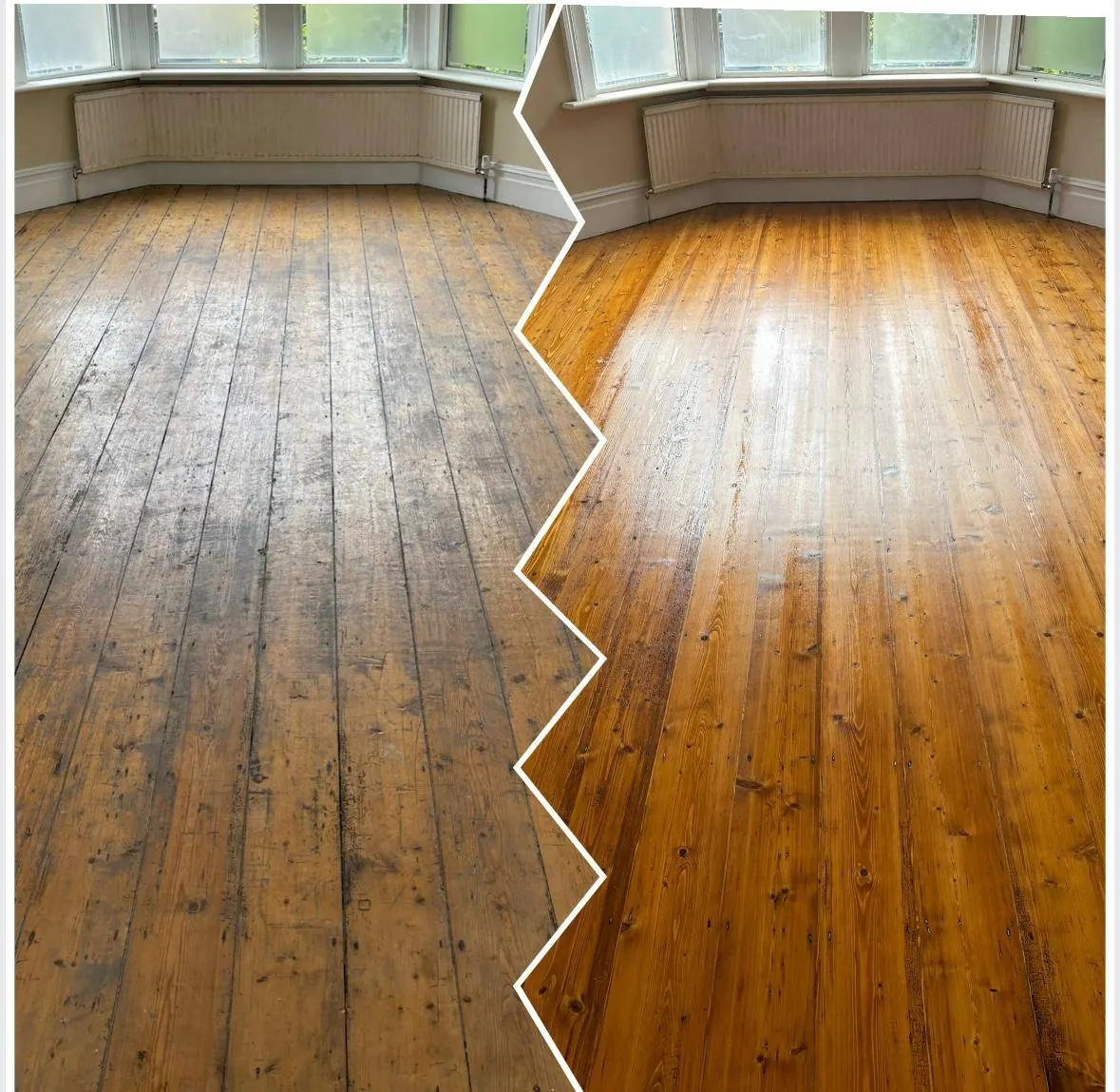
UV is the biggest cause. It breaks down dyes, finishes and fibres in timber floors, carpets, rugs, curtains, leather, fabric couches, artwork and photos. That’s why the side of a rug near the window fades while the rest stays bright, and why timber floors have pale patches where the sun hits.
Visible light and heat cause the rest. So the best protection blocks UV completely and also reduces some light and heat.
How UV window film protects your home
Blocking UV
Almost all professional window films block more than 99% of UV, even films that look completely clear. Plain clear glass blocks only part of the UV spectrum, so adding film makes a big difference.
Reducing light and heat
Tinted and reflective films also cut visible light and solar heat. That’s why darker films have higher fade reduction ratings: they block more of all three causes.
Fade reduction ratings: official Solar Gard figures
On 6mm clear glass:
| Film | Visible light | UV blocked | Fade reduction |
|---|---|---|---|
| LX 70 | 70% | >99% | 46% |
| Ceramic CX 60 | 61% | >99% | 51% |
| Ceramic CX 35 | 37% | >99% | 70% |
| TrueVue 30 | 31% | >99% | 72% |
| Stainless Steel 20 | 23% | >99% | 80% |
| TrueVue 15 | 12% | >99% | 88% |
| Quantum QSQ 10 | 10% | >99% | 90% |
| TrueVue 5 | 5% | >99% | 95% |
Every one of these films blocks more than 99% of UV. The difference in fade reduction comes from how much light and heat they also block.
Does window tint stop fading completely?
No film stops fading completely, because visible light still gets through. Unless you black out the window, some light will always reach your floors. What film does is slow fading down dramatically. A film with 70% fade reduction means much less fading damage over the years than untreated glass.
Choosing the right film for fade protection
You want to keep rooms bright
Choose a light film with full UV protection, like LX 70 or Ceramic CX 60. They block more than 99% of UV and about half of the fading damage while keeping rooms bright and natural. See ceramic vs reflective window film.
You want strong fade protection and heat control
Medium to dark films like Ceramic CX 35, TrueVue 30 or Stainless Steel 20 give 70–80% fade reduction and strong heat rejection. They’re good for living rooms with timber floors and west-facing glass.
You want maximum fade protection
Darker films like TrueVue 15 and TrueVue 5 give 88–95% fade reduction. They suit rooms with valuable artwork, antiques or rooms that get intense sun.
Clear safety film
Even clear safety and security films block more than 99% of UV, so you get fade protection as a bonus. See our safety window film page.
What to protect
UV window film is especially worth it for:
- Timber floors, which fade and change colour in direct sun
- Carpets and rugs, which fade unevenly
- Leather and fabric furniture
- Curtains and blinds, which fade and become brittle
- Artwork, prints and photos
- Retail displays, where faded stock can’t be sold
- Office furniture and carpets in sunny areas
Fading is cumulative
Fading happens slowly and doesn’t reverse. By the time you notice it, the damage is done. Tinting windows when you install new floors or furniture is the best way to protect them from the start.
Other benefits of UV window film
- Heat reduction. Most films that cut fading also reduce heat. See does window tint really reduce heat in a house?
- Glare reduction on TVs and screens
- Daytime privacy with reflective films
- Skin protection. Blocking UV reduces your exposure near windows.
Window tint vs other ways to stop fading
- Curtains and blinds stop fading while they’re closed, but you lose your light and view, and the curtains themselves fade.
- Rugs and furniture rearranging only moves the problem around.
- UV-protective floor finishes help timber, but they don’t protect furniture, fabrics or artwork.
- Window film blocks more than 99% of UV at the glass, protects everything in the room at once, and keeps your view.
For most homes, window film is the simplest way to protect the whole room.
How long does UV protection last?
The UV inhibitors in professional films are built into the film layers, so they keep working for the life of the film. Solar Gard films come with manufacturer warranties from 10 years to lifetime when professionally installed, depending on the film and whether it’s a home or a business.
Fading in shops and offices
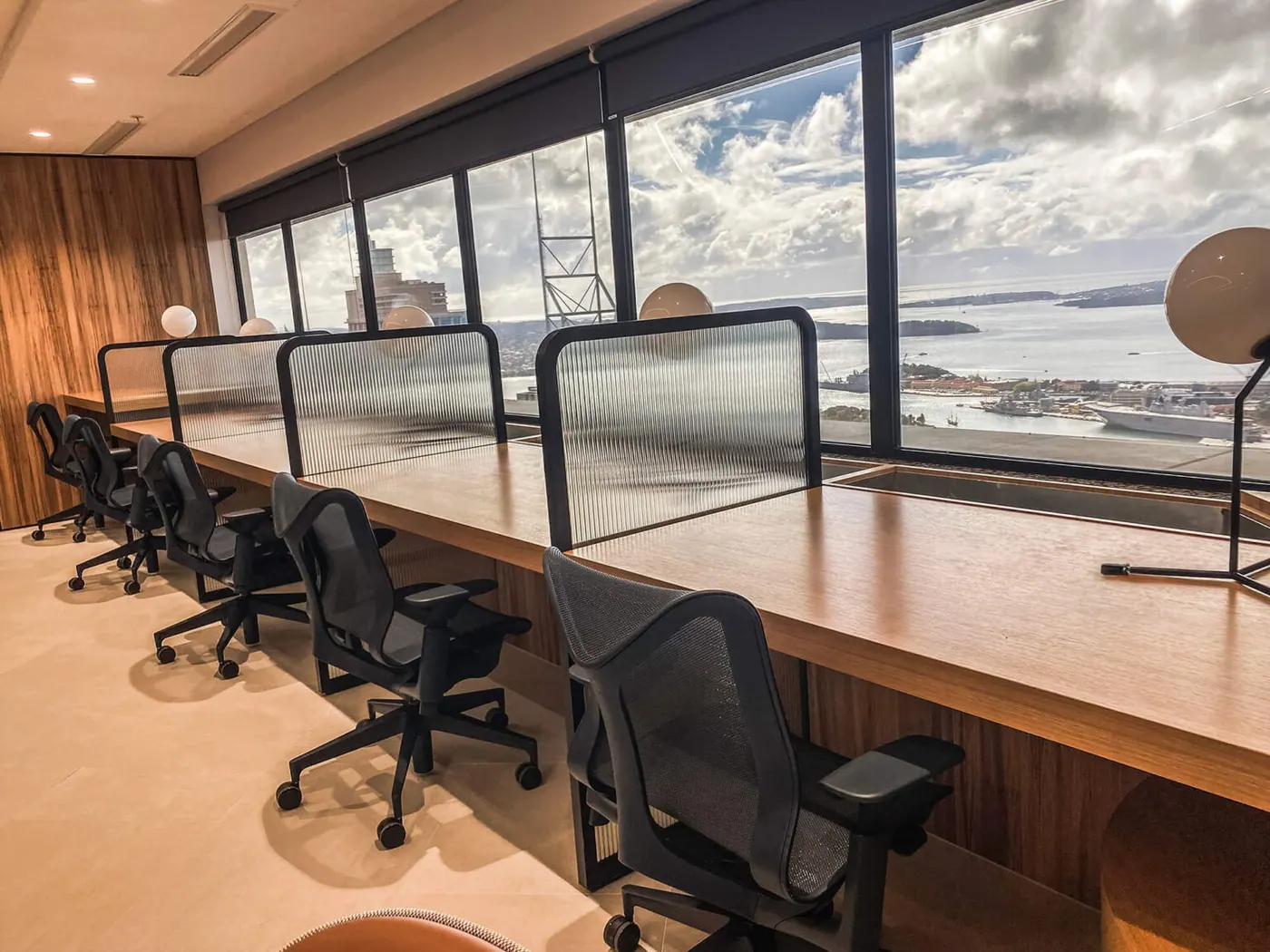
Fading isn’t only a home problem. In retail, sunlight fades clothing, packaging and display stock, and faded stock often can’t be sold at full price. In offices, carpets, chairs and joinery near the windows fade unevenly, which makes a fit-out look tired years before it should.
Window film is a simple fix for both. Retailers often choose a light, low-reflective film so the shopfront still looks open and inviting while UV is blocked. Offices often combine fade protection with glare and heat control. See how to stop glare on office screens and our commercial window tinting page.
Does window tint protect artwork?
Yes. Artwork, prints, photos and textiles are especially sensitive to UV and light. For valuable pieces, choose a film with a high fade reduction rating, and avoid hanging artwork in direct sun even with film installed. Galleries and museums use UV film for the same reason.
The bottom line
Does window tint stop floors and furniture fading? In short, yes. Fading happens mainly because of UV rays, and most modern window films block more than 99% of them. Professional films also have a fade reduction rating, from around 45% for light films to 95% for the darkest, so you can choose the level of protection you need.
As a Solar Gard Authorised Dealer, we install UV window film with official specs and manufacturer warranties. Explore our UV protection window film and residential window tinting pages, or send your glass sizes through the free quote form.