Tinting Sliding Glass Doors: What You Need to Know
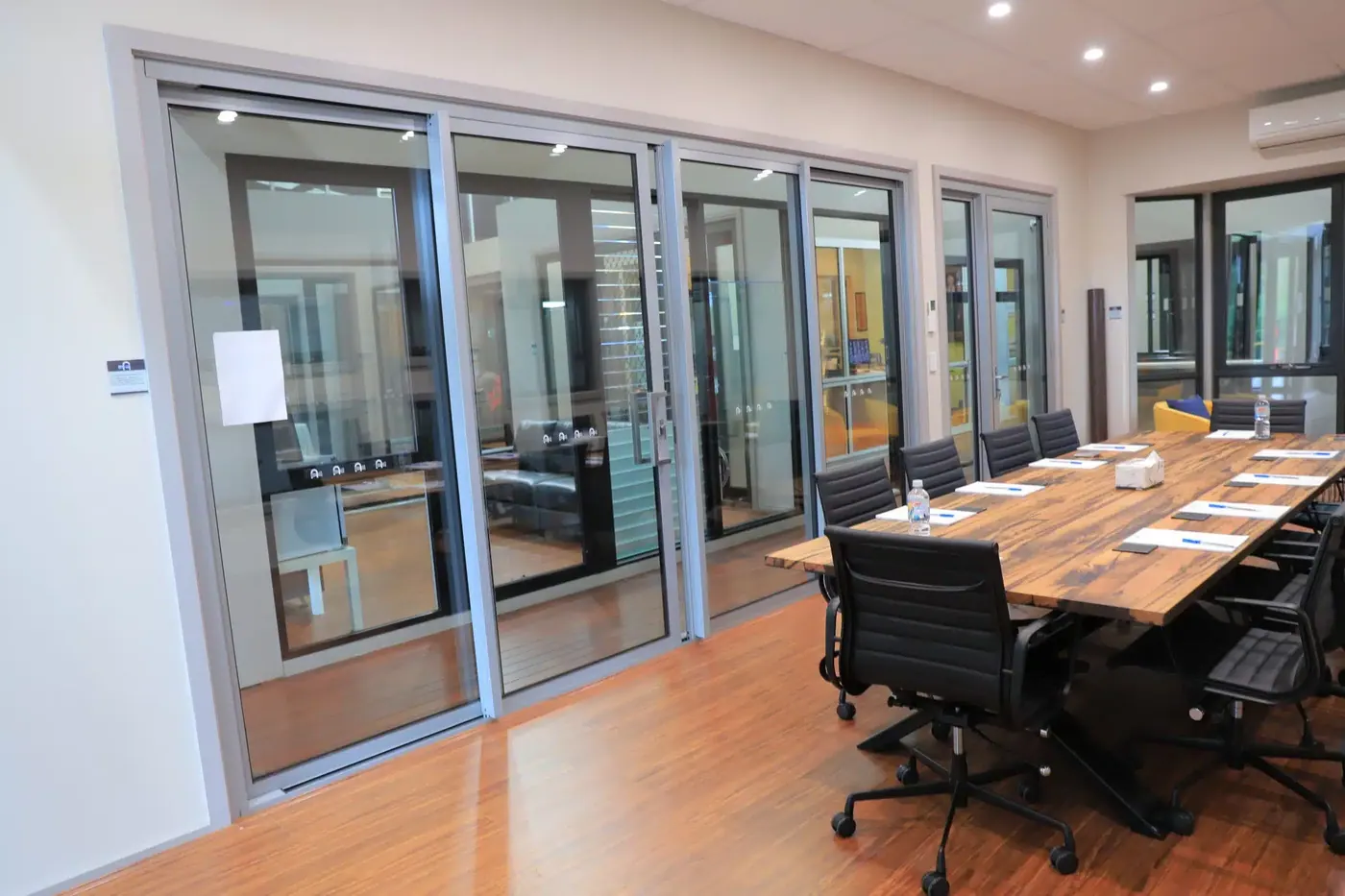
Sliding glass doors are usually the largest area of glass in a home, so they let in more heat, glare and UV than any other window. Tinting them is one of the most effective changes you can make, and one of the most popular jobs we do. The right film can cut heat and glare, protect your floors, add daytime privacy or security, and even make the glass safer to walk past.
Here’s what you need to know before you tint your sliding doors.
Why sliding doors cause so many problems
A standard pair of sliding doors is often 4 to 6 square metres of glass. Stacking doors and floor-to-ceiling glass walls can be much more. That much glass means:
- Heat: in summer, especially if the doors face west or north, they can turn a living area into a hothouse. See how to stop heat through west-facing windows.
- Glare: the TV and computer screens in open-plan living areas often face the doors.
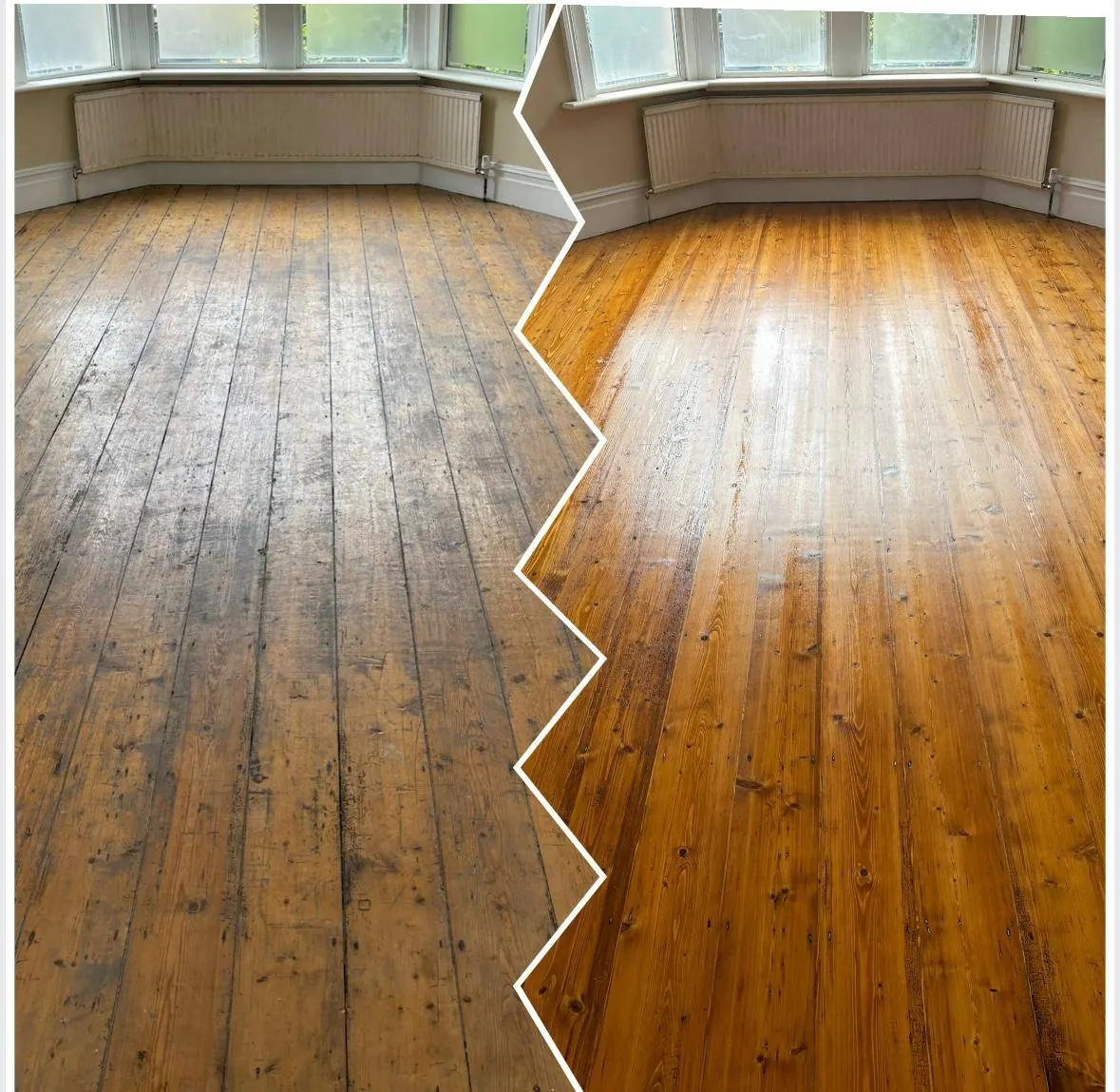
- Fading: floors, rugs and furniture closest to the doors fade first. See does window tint stop fading?
- Privacy: sliding doors often face the backyard, a neighbour’s house or a balcony.
- Security: they’re one of the most common entry points for intruders at the back of a house.
- Heat loss in winter: big single glazed doors let warmth escape.
What film can do for sliding doors
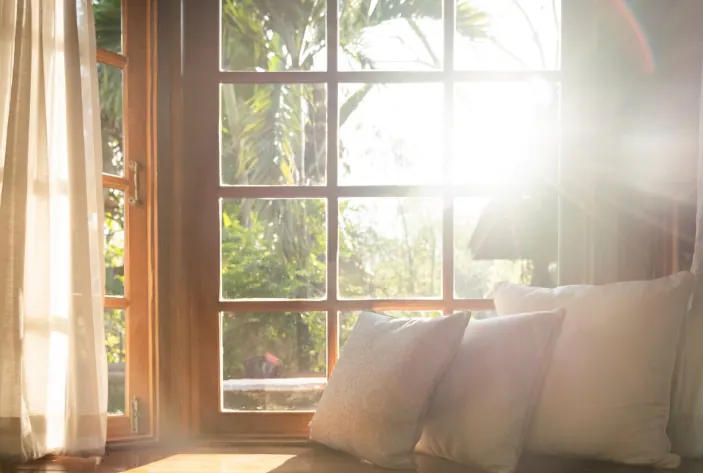
Cut heat and glare
Heat reduction films reject a large share of solar heat. Official Solar Gard figures on 6mm clear glass range from about 40% for light ceramic films to 77% for strong reflective films like TrueVue 15 and Silver 20. Read the best window film for heat reduction.
Protect floors and furniture
Almost all professional films block more than 99% of UV, the biggest cause of fading.
Add daytime privacy
Reflective films give you a clear view out while people outside see a reflection during the day. Remember the effect reverses at night with the lights on. See is mirror tint good for house windows?
Add security
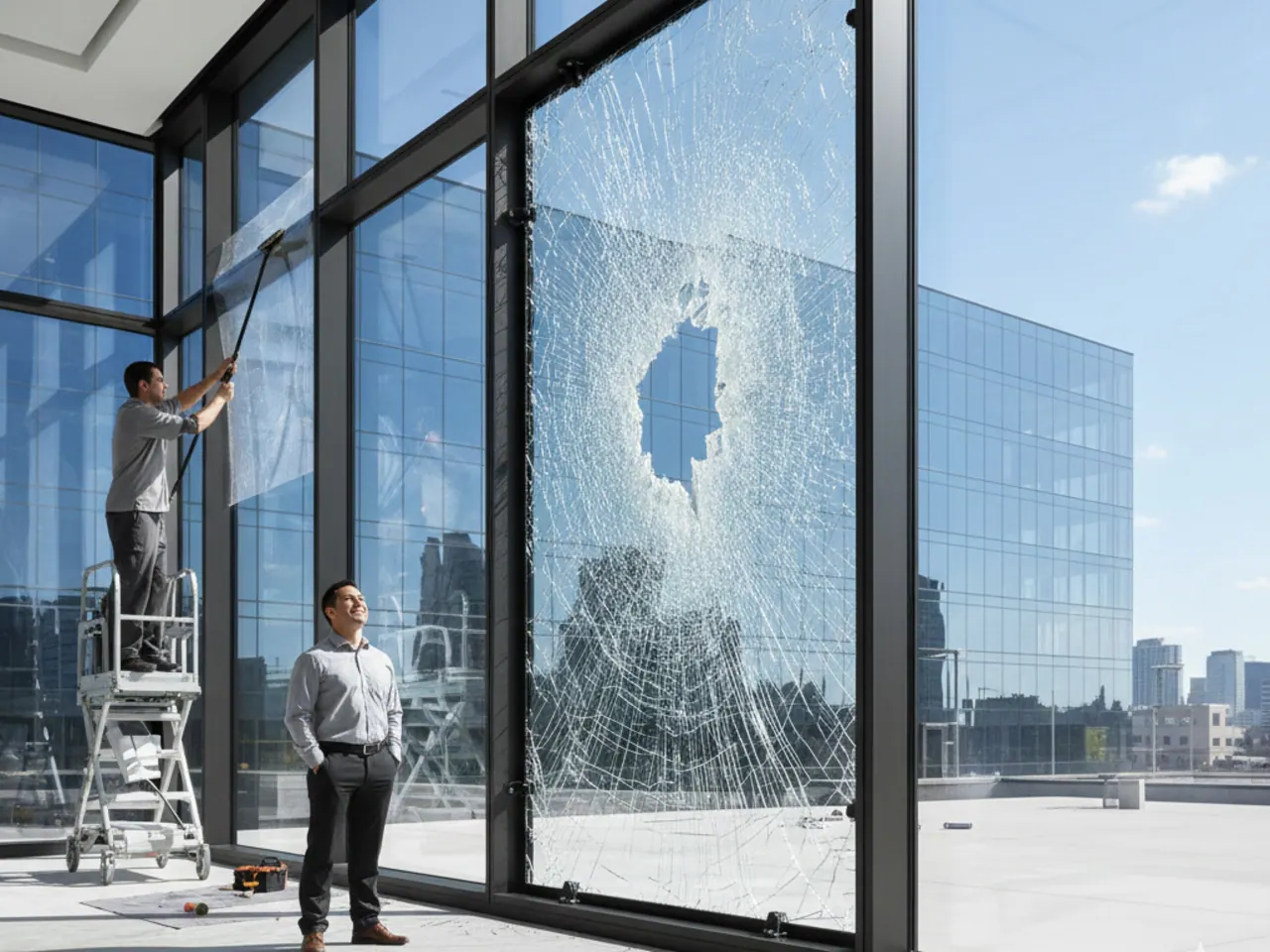
Thick security film holds broken glass together, so the door can’t simply be smashed and walked through. See does security window film stop break-ins?
Keep warmth in during winter
Low-E film reflects room heat back inside, cutting heat loss through single glass by around 40%. See Low-E window film in winter.
Make the glass easier to see
A frosted band or decorative strip at eye level stops people, especially kids and visitors, walking into the glass.
Choosing the right film
| What you want | Film to consider |
|---|---|
| Maximum heat reduction and daytime privacy | TrueVue 15, Silver 20 |
| Heat reduction with a natural look | Ceramic CX 35, LX 40 |
| Bright room, less glare and UV | Ceramic CX 50, CX 60, LX 55 |
| Warmer in winter, cooler in summer | Ecolux 70 (Low-E) |
| Security | 4 mil or 7 mil security film |
| Make glass visible | Frosted band or pattern |
Some homes combine films, for example a heat reduction film on the whole door with a frosted band added for visibility.
Things to check before tinting sliding doors
Glass type
In Australia, glass in doors must be safety glass, usually toughened or laminated. Most toughened glass suits any film. Laminated glass absorbs more heat, so darker and reflective films need checking. Double glazed sliding doors also need checking before film goes on. Read can you tint double glazed windows?
Glass size and sun exposure
Large panes in full sun can get very hot, and some films add thermal stress. We look at the size of each panel and which way it faces before recommending a film.
Fixed vs sliding panels
Both panels are usually tinted so they match. The film is cut with a small gap at the edges so the sliding panel moves freely past the fixed one and the locks and handles aren’t affected.
Strata rules
In apartments, sliding doors to balconies are part of the building’s outside appearance. Check your by-laws before choosing a reflective or dark film. See can I tint my apartment windows?
Visibility markings
Australian Standard AS 1288 requires some large glass doors and panels to have visible markings so people don’t walk into them. If your doors don’t have any, a frosted band is a neat way to add them.
Installation day
Installing film on sliding doors is quick and clean. We clean the glass thoroughly, apply the film with a wet method, squeeze out the water and trim the edges. A standard pair of doors usually takes under an hour. You can use the doors straight away, but avoid cleaning the film for a few weeks while it cures. Some small water haze is normal for a short time and clears as the film dries.
Can I tint sliding doors myself?
Large panels are the hardest glass to tint without bubbles, creases or dust under the film, and film from hardware stores usually isn’t wide enough to cover a door in one piece. Joins in the middle of a door look obvious. Professional films come in wider rolls, so most doors can be covered without a join. See Bunnings window film vs professional tinting.
How much does it cost?
Most residential window tinting in Sydney costs around $100 to $400 per square metre, depending on the film, access and whether old film needs removing. Because sliding doors are large, it’s worth getting a quote from your measurements. There’s no minimum charge. Read how much window tinting costs in Sydney.
Stacking doors and glass walls
Stacking doors and full-height glass walls are tinted the same way as standard sliding doors, panel by panel. The main differences are the number of panels, the height of the glass and the need for consistent results across a large area. Using the same film across every panel keeps the look even from both inside and outside. On very tall panels, access equipment may be needed.
The bottom line
Tinting sliding glass doors is one of the best ways to make a living area more comfortable. The right film cuts heat, glare and fading, adds privacy or security, and keeps your view. Check your glass type and strata rules first, and get the film professionally installed so large panels are covered cleanly without joins.
As a Solar Gard Authorised Dealer, we tint sliding doors across Sydney with the manufacturer’s warranty. See our residential window tinting page, or send your door sizes through the free quote form.