Does Security Window Film Stop Break-Ins?
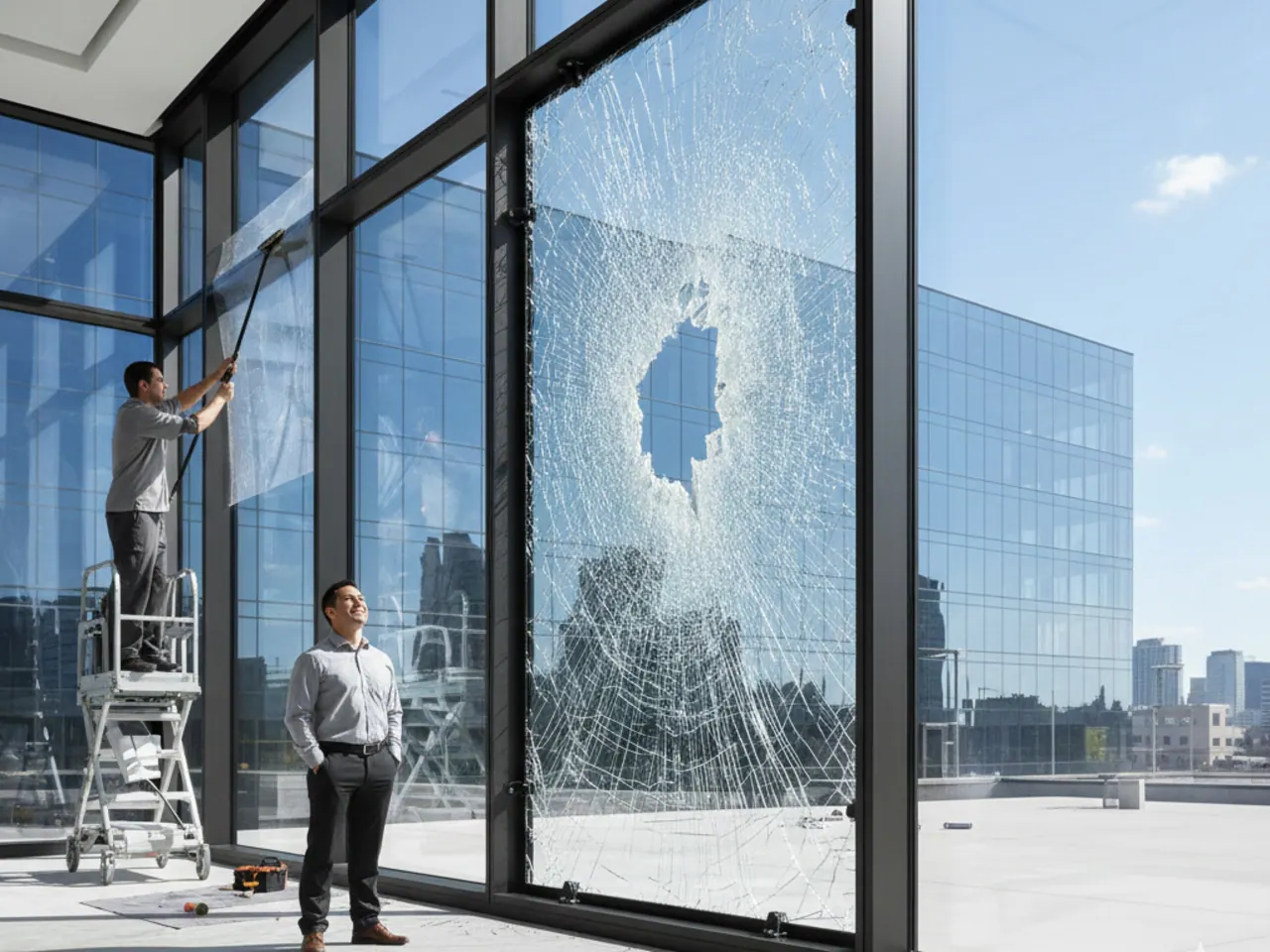
Security window film won’t make your glass unbreakable, and anyone who tells you it will is overselling it. What it does is hold broken glass together, so an intruder can’t smash a window and step straight through. That turns a quick, quiet break-in into a slow, noisy one, and that delay is often enough to make them give up.
This guide explains how security film works, what it can and can’t do, and where it makes the most sense.
How most break-ins through glass happen
Most break-ins that involve glass are opportunistic and fast. A window or glass door is smashed, the loose glass falls away, and the intruder reaches in to open a lock or climbs through. Ordinary glass breaks into an opening very quickly.
Intruders want speed and silence. Anything that slows them down and makes noise reduces the chance they’ll keep going.
How security window film works
Security film is a thick, strong polyester film with a powerful adhesive. It’s applied to the inside of the glass. When the glass is hit:
- The glass cracks or shatters as normal.
- The film holds the broken pieces together in the frame instead of letting them fall away.
- To get through, the intruder has to keep hitting the same spot, tear through the film, and push out a sheet of bonded glass.
That takes time and makes a lot of noise. It also means there’s no instant hole to reach through and open a lock.
4 mil vs 7 mil: what’s the difference?
Security films are measured in mil, a thousandth of an inch. Solar Gard offers two main thicknesses:
| Thickness | Typical use |
|---|---|
| 4 mil | Safety and anti-shatter, smash-and-grab protection on shopfronts, glass doors in family homes |
| 7 mil | Security as the main goal: ground-floor windows, sliding doors, rear and side entries |
Thicker film is harder to tear through, but it costs more. For most homes, 7 mil on the most vulnerable doors and windows is a sensible choice, with 4 mil elsewhere if needed.
What security film can do
- Delay entry: buys time for an alarm to sound, neighbours to notice, or the intruder to give up.
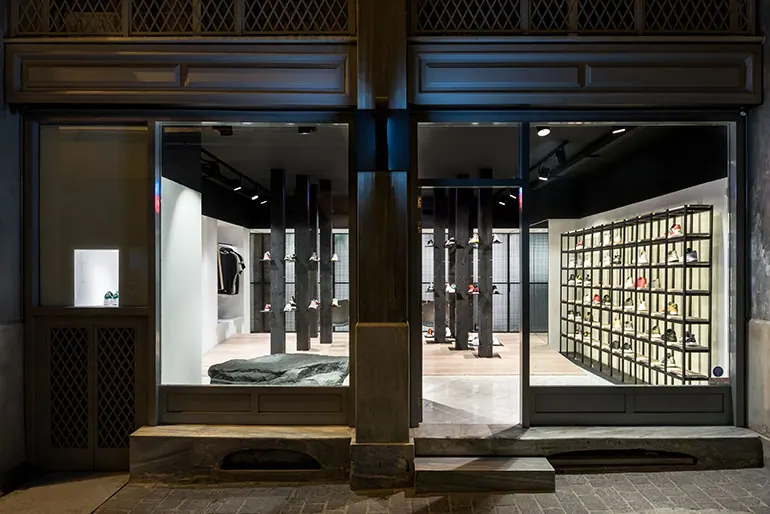
- Stop smash-and-grab: on shopfronts, it stops someone quickly breaking the glass and grabbing stock. See shopfront window tinting.
- Hold glass together after accidents: a ball, a fall or a storm won’t leave sharp shards everywhere.
- Block UV: even clear security films block more than 99% of UV.
- Add privacy or heat control: if you choose a tinted version.
What security film can’t do
- It won’t make glass unbreakable. A determined intruder with time and tools will eventually get through.
- It doesn’t replace good locks, alarms and lighting. It’s one layer of protection, not the whole system.
- It depends on the frame. Film holds the glass together, but if the frame is weak or the glass is poorly fixed, the whole pane can be pushed in. For higher-risk sites, attachment systems that bond the film to the frame are available.
- It doesn’t stop forced doors or locks. If a door can be jemmied open, film on the glass won’t help.
Where security film makes the most sense
Homes
- Large sliding doors: the most common entry point at the back of a house. See tinting sliding glass doors.
- Ground-floor windows at the side or back, out of view from the street
- Glass beside front doors, where breaking a sidelight gives access to the lock. See frosted film vs privacy tint for front doors.
- Homes that are empty during the day or often away
Businesses
- Shopfronts with valuable stock on display
- Ground-floor offices and clinics with computers and equipment visible
- Glass entry doors
- Schools, childcare centres and community buildings where broken glass is also a safety risk
Safety film vs security film
Both are polyester films that hold glass together when it breaks. Safety film is usually thinner and designed to reduce injury from broken glass. Security film is thicker and designed to resist forced entry. Every security film is also a safety film, but not the other way around. See our safety window film page.
Does it change how my windows look?
Clear security film is close to invisible once installed. A small gap of a couple of millimetres is left at the edges so the film doesn’t lift against the frame. If you’d like heat control or daytime privacy as well, tinted security films are available.
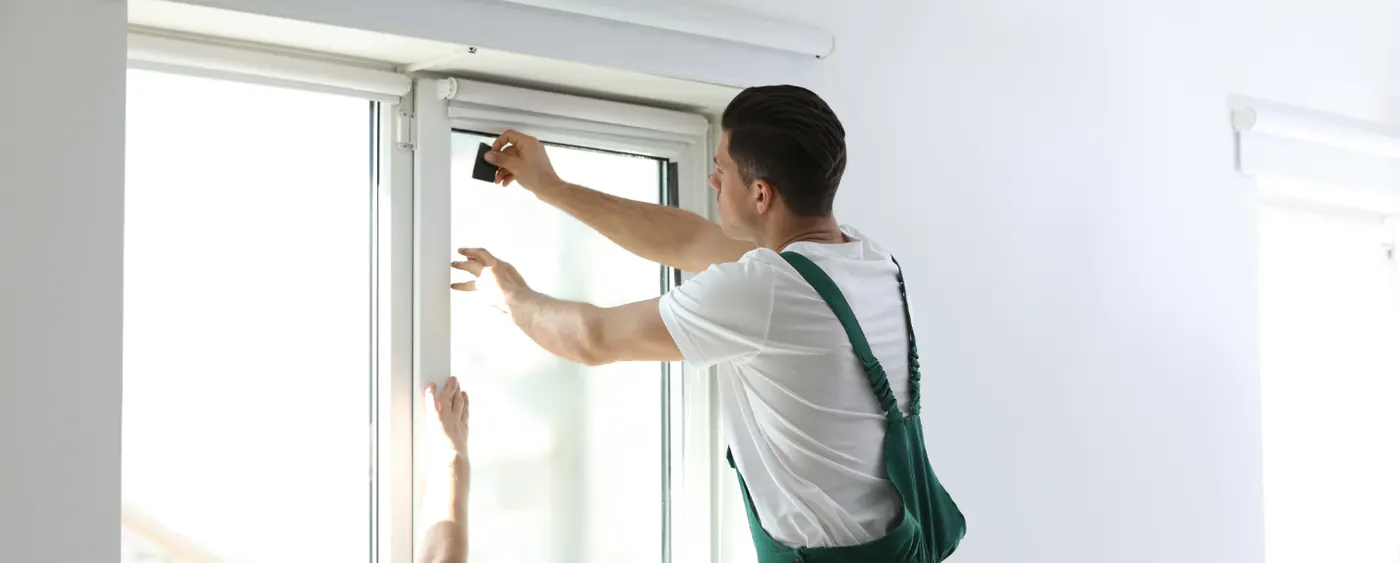
Can I install security film myself?
Security film is thick and stiff, and it’s much harder to install than thin DIY films. Bubbles, gaps and poor adhesion reduce how well it holds the glass. It also needs to be cut neatly to the frame. For security film, professional installation is strongly recommended. Read Bunnings window film vs professional tinting.
Renting?
In NSW, applying shatter-resistant film to windows or glass doors is on the government’s list of minor changes a landlord can’t unreasonably refuse. You still need to ask first. See window tinting for rentals.
Where to start if your budget is limited
You don’t have to film every window at once. Walk around the outside of your home and look at it the way an intruder would. Which glass is out of sight from the street? Which glass sits next to a lock or handle? Which doors lead straight into the main living area?
Those are the places to start. For most houses that means:
- The back sliding door, because it’s large, out of view and opens into the living area
- Sidelights beside the front and back doors, because breaking them gives access to the lock
- Ground-floor windows at the side of the house, especially beside fences or bins that give cover
- Laundry and garage doors with glass panels
Upper-floor windows that can’t be reached without a ladder are usually a lower priority.
Security film and insurance
Some homeowners ask whether security film reduces insurance premiums. That depends entirely on your insurer and policy, so check with them directly. What film does do is reduce the chance of a successful break-in through glass and the mess of shattered glass if a window is broken, whether by an intruder, a storm or an accident.
The bottom line
Does security window film stop break-ins? It doesn’t make glass unbreakable, but it holds broken glass together and turns a fast, quiet break-in into a slow, noisy one. Used on the most vulnerable doors and windows, alongside good locks and an alarm, it’s an effective extra layer of protection that’s almost invisible.
As a Solar Gard Authorised Dealer, we install 4 mil and 7 mil security films with the manufacturer’s warranty. See our security window film page, or send your glass sizes through the free quote form.