How to Stop Heat Through West-Facing Windows
West-facing windows are the hardest windows in any Sydney home to keep cool. The afternoon sun is low, it hits the glass almost head-on, and it arrives at the hottest part of the day. The good news is that window film can stop most of that heat before it gets into the room, without losing your view.
This guide explains why western glass is such a problem, which fixes actually work, and which film to choose.
Why west-facing windows let in so much heat
The sun angle
At midday the sun is high, so eaves and overhangs shade north-facing windows. By mid-afternoon the sun has dropped low in the western sky and shines almost straight into west-facing glass. Eaves do very little at that angle.
The timing
Western sun arrives from around 2pm until sunset, which is when the outside air is already at its hottest. The room has been warming all day, and then it gets a few hours of direct sun on top.
The heat stays in
Once sunlight passes through the glass, it heats floors, furniture and walls. They then release that heat slowly, which is why west-facing bedrooms stay warm well into the night.
The signs you have a western heat problem
- One room is noticeably hotter than the rest of the house every afternoon
- The air conditioner runs flat out from about 3pm
- You close the blinds every afternoon and live in the dark
- Floors, rugs or furniture near the window are fading
- The TV or computer screen is unusable in the late afternoon because of glare
- Bedrooms on the western side are still hot at bedtime
What actually works
1. Window film
Film is applied to the inside of your existing glass and rejects solar heat before it gets in. You keep your view and your natural light, and you don’t need to change the windows or the look of the room much.
Here are official Solar Gard figures on 6mm clear glass:
| Film | Visible light in | Heat rejected | Glare cut |
|---|---|---|---|
| TrueVue 15 | 12% | 77% | 87% |
| Silver 20 | 16% | 77% | 82% |
| Solar Bronze 20 | 23% | 75% | 74% |
| Slate 20 | 23% | 68% | 74% |
| TrueVue 30 | 31% | 61% | 65% |
| Ceramic CX 35 | 37% | 58% | 58% |
| LX 40 | 40% | 61% | 55% |
For the worst western rooms, a film rejecting 70% or more of the sun’s heat makes a dramatic difference. Read our guide to the best window film for heat reduction for a full comparison.
2. External shading
Awnings, external blinds and shutters are very effective because they stop the sun before it reaches the glass. The trade-offs are cost, appearance, maintenance and, for many designs, losing your view while they’re down. They can also need council or strata approval.
3. Trees and planting
Deciduous trees on the western side shade the house in summer and let sun through in winter. A great long-term option, but it takes years.
4. Internal blinds and curtains
These help with direct sun and glare, but the heat has already passed through the glass. Light-coloured, reflective backed blinds help more than dark ones. On their own they rarely fix a really hot western room.
Choosing the right film for western glass
You want maximum heat reduction
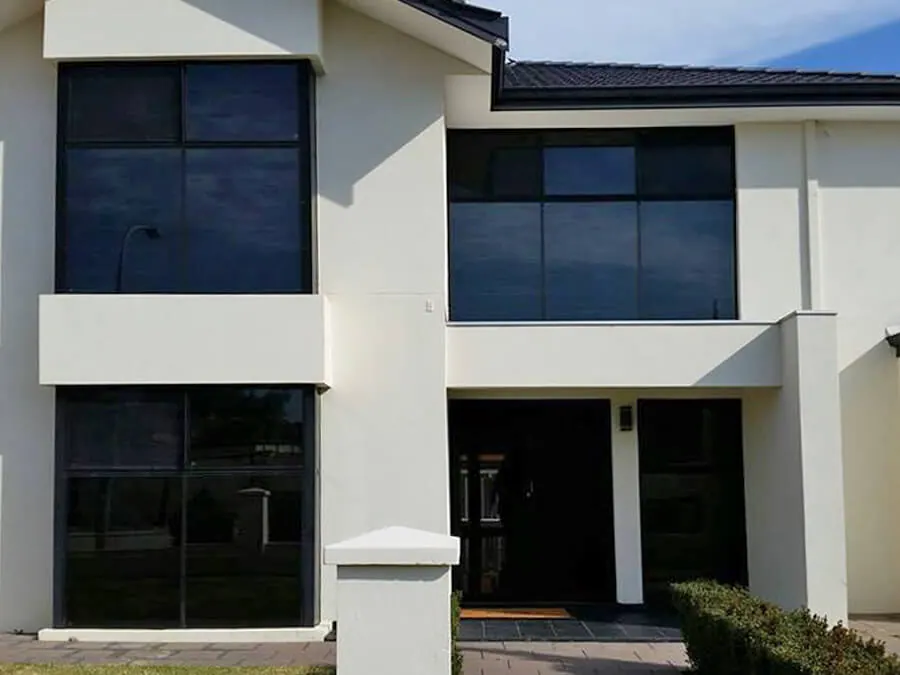
Choose a reflective film: TrueVue 15 or Silver 20. Both reject 77% of solar heat. TrueVue is less reflective on the inside, so the evening view out is clearer. These also give strong daytime privacy. See is mirror tint good for house windows?
You want heat reduction with a natural look
Choose a non-reflective or low-reflective film like Ceramic CX 35, LX 40 or Slate 20. They don’t give a mirror look from the street and suit homes in strata buildings or streets where reflective glass isn’t allowed. Read ceramic vs reflective window film.
You want to keep the room bright
Lighter films like Ceramic CX 50 or LX 55 still cut heat, glare and UV noticeably while keeping the room bright. They’re a good fit if the window is shaded by a tree or a neighbouring building for part of the afternoon.
A note on glass safety
Western glass gets very hot in the afternoon sun, and dark or reflective films raise its temperature further. On most standard clear glass that’s fine. On some large panes, tinted glass, laminated glass and some double glazed units, it can add thermal stress. That’s why we check your glass type, size and how much sun it gets before recommending a film. It’s one of the main reasons professional installation matters. See Bunnings window film vs professional tinting.
What about winter?
Western sun is welcome in winter for some homes. If that matters to you, consider a Low-E film. It rejects summer heat but also reflects room heat back inside on cold nights. Read does Low-E window film keep heat in during winter?
Protecting floors and furniture
Western sun is also the main cause of fading in many homes, because it hits floors and furniture directly for hours. Every film in the table above blocks more than 99% of UV. See does window tint stop fading?
What does it cost?
Most residential window tinting in Sydney costs around $100 to $400 per square metre, depending on the film, access to the glass and whether old film needs removing. Many homes only need the western windows done, which keeps the cost down. Read our guide to window tinting costs.
Rooms that benefit most
The rooms we’re asked about most often on the western side of a house are:
- Main bedrooms, which stay hot well into the night
- Living rooms with big sliding doors onto a back deck
- Home offices, where afternoon glare makes screens unusable
- Kids’ rooms and nurseries, which need to be comfortable for afternoon naps
- Upstairs rooms, which already collect rising heat from the rest of the house
The bottom line
West-facing windows let in so much heat because the low afternoon sun hits them head-on at the hottest time of day, and eaves don’t help. Window film is the simplest fix: a reflective film like TrueVue 15 or Silver 20 rejects 77% of solar heat, while lighter ceramic films keep a natural look. Combine it with good blinds or external shading for the best result.
As a Solar Gard Authorised Dealer, we install heat-rejecting films across Sydney with the manufacturer’s warranty. See our heat reduction window film page, or send your window sizes through the free quote form.