Is Mirror Tint Good for House Windows? Pros, Cons & Rules
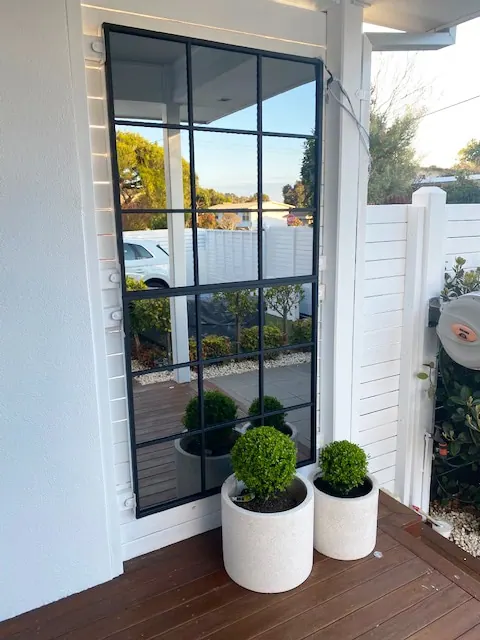
Mirror tint can be a great choice for house windows, but only if you know what it does and what it doesn’t. During the day it gives strong privacy and rejects more heat than any other film type. At night, with your lights on, the effect reverses and people can see in. It also changes the look of your house from the street, which matters if you live in a strata building or a street with design rules.
This guide covers how mirror tint works, real performance figures, the downsides people don’t mention, and when another film is a better fit.
How mirror tint works
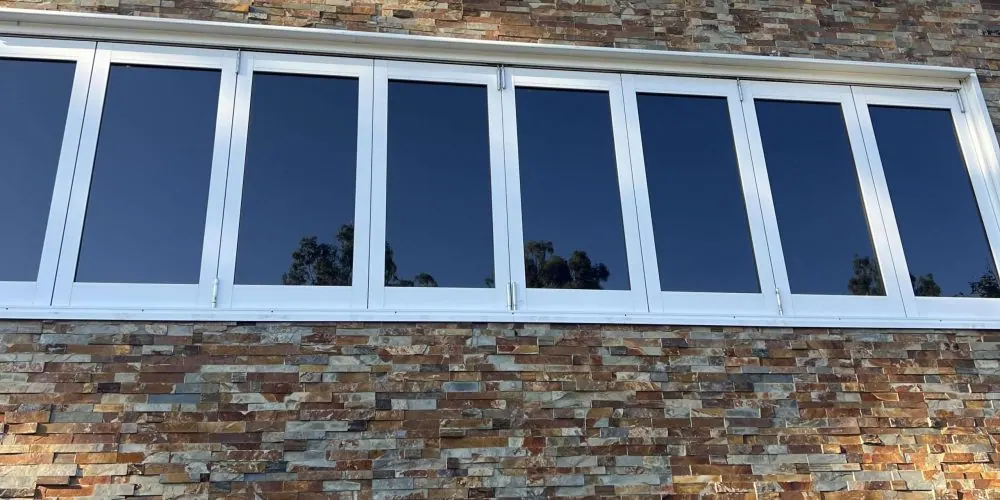
Mirror tint, also called one way film or reflective film, has a very thin metal layer inside it. That layer reflects light and heat. Whichever side of the glass is brighter sees a mirror, and the darker side sees through.
On a sunny day it’s much brighter outside than inside your house. So people on the street see their own reflection, while you look out and see the street clearly.
At night it’s the other way around. Your lights make the inside brighter, so the inside becomes the “outside” as far as the film is concerned. People can then see in, and you see a faint reflection of the room in your own windows.
The pros of mirror tint on a house
Strong daytime privacy
This is the main reason people choose it. Street-facing windows, front living rooms and windows that look straight at a neighbour can stay open all day without blinds.
The best heat rejection of any film type
Reflective films bounce solar heat away before it gets into the room. On 6mm clear glass, official Solar Gard figures are:
| Film | Visible light in | Reflection outside | Reflection inside | Heat rejected |
|---|---|---|---|---|
| Silver 20 | 16% | 57% | 58% | 77% |
| TrueVue 15 | 12% | 44% | 23% | 77% |
| Silver 35 | 33% | 39% | 38% | 65% |
| TrueVue 30 | 31% | 22% | 13% | 61% |
| Sterling 40 | 41% | 32% | 30% | 62% |
For west-facing rooms that bake every afternoon, that’s a big difference. See how to stop heat through west-facing windows.
Glare and UV protection
Mirror films cut glare on TVs and screens and block more than 99% of UV, which helps protect floors and furniture from fading.
A uniform look
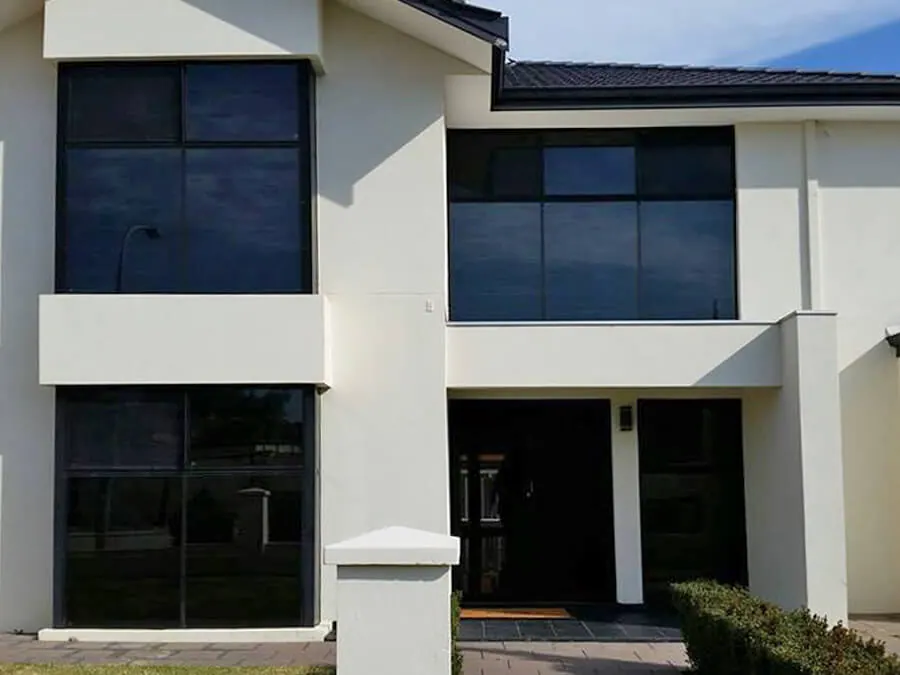
On a modern house with lots of glass, mirror film can give a clean, consistent facade.
The cons people don’t always mention
Privacy reverses at night
This catches more people out than anything else. If you want privacy after dark, you still need curtains or blinds, or a different film. Our guide to window film privacy day and night explains the options.
Rooms get darker
A full mirror film like Silver 20 lets in about 16% of visible light. That’s fine in a sun-drenched west-facing room, but it can make a south-facing room feel gloomy. Lighter mirror films keep more light but give less privacy.
You see your reflection at night
Standard silver films are reflective on both sides. In the evening, with lights on, the windows act like mirrors from inside. TrueVue films are designed to reduce this. TrueVue 15 reflects 44% outside but only 23% inside, so the view out stays clearer and the room feels less mirrored at night.
It changes how your house looks
A mirrored house stands out. Some people love it, others don’t, and some neighbours or strata committees object.
Not every glass suits it
Reflective films absorb and reflect heat, which raises the temperature of the glass. On some large panes, tinted glass, laminated glass and some double glazed units, that adds thermal stress. We check your glass type, size and sun exposure before recommending a mirror film.
Rules: strata, council and heritage
On a freestanding house, mirror tint is usually your call. But:
- Strata buildings: most by-laws control changes to the outside appearance of the building, and a mirrored window is very visible. Check with your strata committee first. Our guide to tinting apartment windows covers this in detail.
- Council controls: some development controls limit how reflective glass can be, mostly for new buildings and glare onto roads or neighbours. If your home was recently approved or is heritage-listed, check with council.
- Rentals: you’ll need landlord approval. See window tinting for rentals.
If a full mirror isn’t allowed, a softer film like TrueVue 30 or Sterling 40 is often acceptable because it reflects much less.
When mirror tint is the right choice
Mirror tint works best when:
- You want privacy during the day, mainly on street-facing or overlooked windows
- The windows get strong sun and the room overheats
- You’re happy to use blinds at night
- You don’t mind, or actually like, the mirrored look from outside
When to choose something else
| What you want | Better choice |
|---|---|
| Privacy day and night, with light | Frosted window film |
| Total privacy, no light | Blackout window film |
| Heat control without a mirror look | Ceramic or low-reflective film |
| Some privacy, bright rooms | Privacy film that lets light in |
| Privacy in a bathroom | Bathroom and bedroom privacy film |
Many homes end up with a mix: mirror film on the hot, street-facing windows, frosted film on the bathroom, and a lighter film everywhere else.
Choosing the right mirror tint for your house
Maximum privacy and heat rejection
Silver 20 or TrueVue 15. Both reject 77% of solar heat. TrueVue is the better choice if you’ll be in the room in the evening, because it’s less reflective inside.
Balanced privacy and light
Silver 35 or TrueVue 30. Good daytime privacy, noticeably brighter rooms.
Subtle silver look
Sterling 40. A soft silver finish that keeps rooms bright, with modest privacy.
The best way to choose is to see samples on your own glass, at the time of day you care about most.
How much does mirror tint cost?
Mirror films are priced like other quality films. Most residential tinting in Sydney costs around $100 to $400 per square metre, depending on the film, access to the glass and whether old film needs removing. There’s no minimum charge. Read our full guide to window tinting costs in Sydney.
The bottom line
Is mirror tint good for house windows? Yes, if you want strong daytime privacy and serious heat reduction, and you’re happy to close the blinds at night. It’s the best heat-rejecting film you can put on a window. Just check your strata or council rules first, and choose TrueVue if you don’t want to see your own reflection in the evening.
As a Solar Gard Authorised Dealer, we install genuine Solar Gard mirror films with manufacturer warranties. See our one way mirror window film page for the full range, or send your window sizes through the free quote form.