Will Window Tint Make My House Dark? Light vs Heat Explained
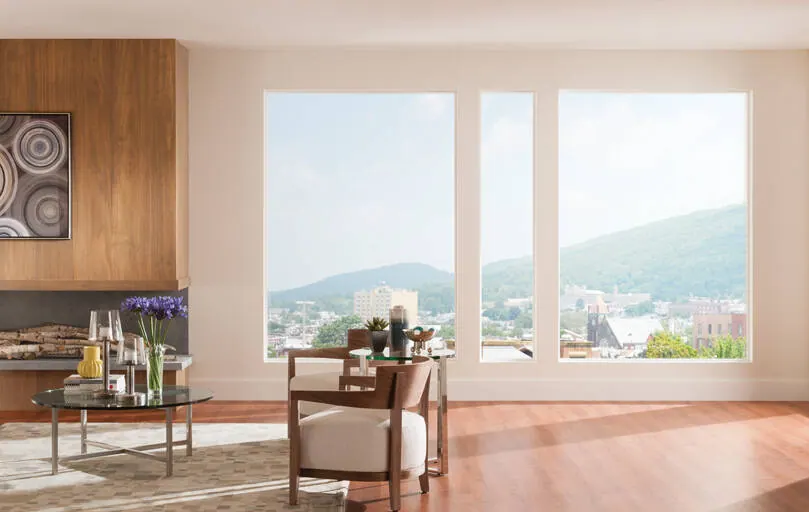
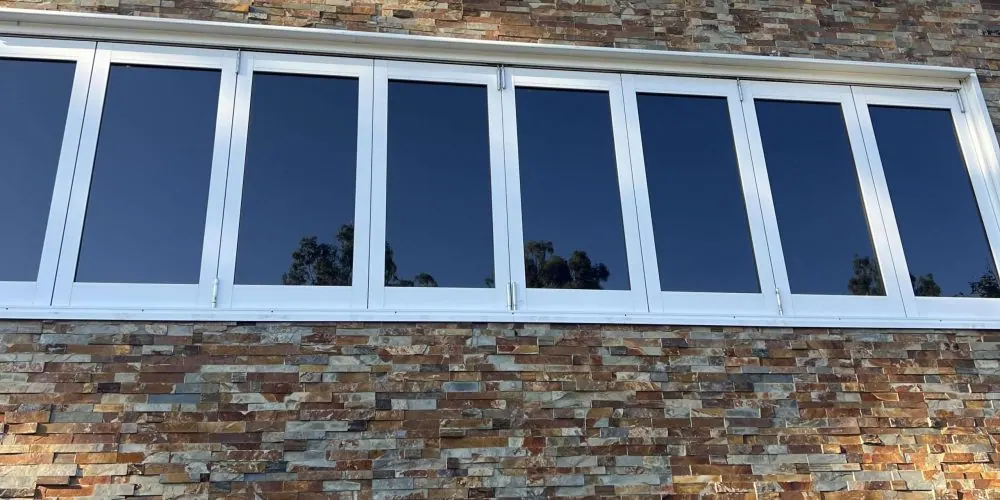
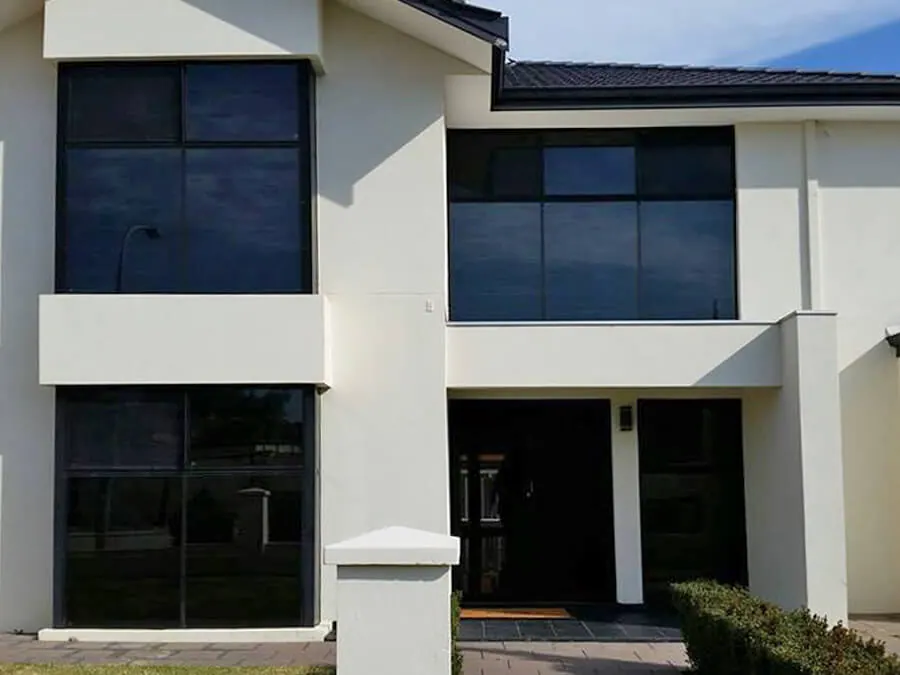
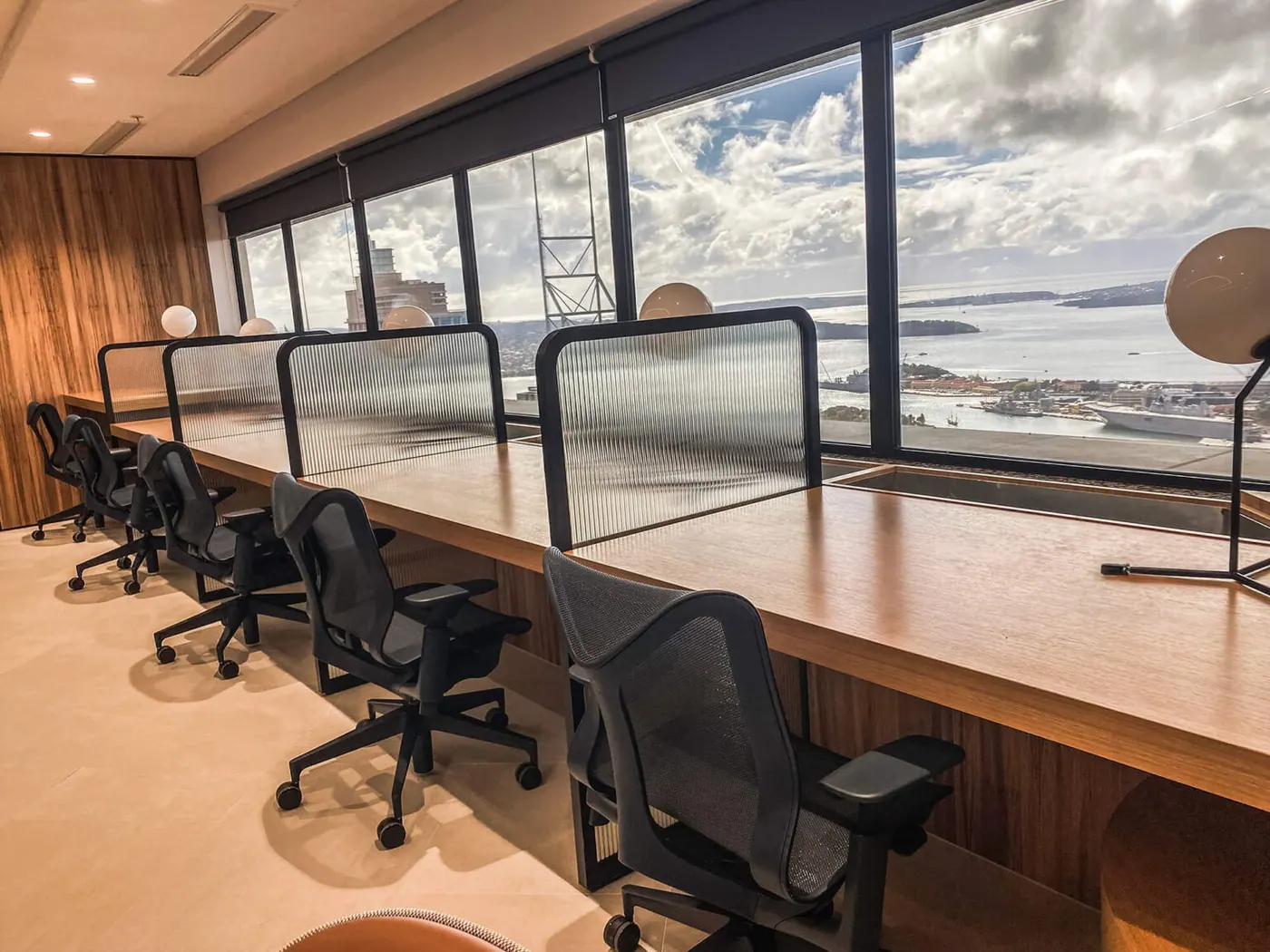
It’s the most common worry we hear from homeowners: “Will window tint make my house dark?” The short answer is no, not if the film is chosen properly. Modern window films can cut heat, glare and UV while letting most of the daylight through, and many people can’t tell which windows have been tinted once the job is done.
This guide explains how window film handles light and heat separately, how to read the light figures on a film’s data sheet, and which films keep a Sydney home bright.
Light and heat are not the same thing
Sunlight is made up of three parts:
- Visible light, the part you see, about half of the sun’s energy
- Infrared, which you feel as heat
- Ultraviolet (UV), which causes fading and sun damage. See whether window film protects your skin from UV
Old-style tints worked mainly by blocking visible light. To stop heat, they had to be dark. Modern films work differently. Ceramic and spectrally selective films target the infrared and UV, so they can reduce heat a lot while blocking far less of the light you see.
That’s why a film can be light enough to look almost clear and still make a big difference to how hot a room feels.
How to read a film’s light figures
Every film has a published visible light transmission (VLT) figure. It tells you how much of the visible light gets through the glass with the film on it.
- 70% and above: almost no visible change. Rooms look the same.
- 50 to 60%: a slight softening of the light. Most people only notice it next to an untinted window.
- 30 to 40%: a noticeable tint that cuts glare well. Good for bright, west-facing rooms.
- Below 25%: dark films for strong glare, heat and daytime privacy.
Next to it you’ll see total solar energy rejected (TSER), the share of the sun’s total energy kept out. A good film for a house balances the two: as much heat rejection as possible for the amount of light you’re happy to lose.
Light vs heat: real Solar Gard figures
On 6mm clear glass:
| Film | Visible light | Solar energy rejected | Look |
|---|---|---|---|
| ULR 80 | 77% | n/a | Near clear, low reflection |
| LX 70 | 70% | 54% | Near invisible |
| Ecolux 70 | 67% | 53% | Light, Low-E |
| Ceramic CX 60 | 61% | 40% | Natural, low reflection |
| LX 55 | 56% | 56% | Near invisible |
| Ceramic CX 50 | 50% | 48% | Natural, low reflection |
| Ceramic CX 35 | 37% | 58% | Medium, low reflection |
| TrueVue 30 | 31% | 61% | Medium, dual reflective |
| TrueVue 15 | 12% | 77% | Dark, dual reflective |
Notice that LX 70 lets through more light than Ceramic CX 60 yet rejects more solar energy. That’s what spectrally selective film does: it keeps the light and drops the heat.
Which films keep a house bright?
Near-invisible films
If the main goal is less heat and UV with no visible change, look at LX 70, LX 55 or Ecolux 70. They suit living areas, open-plan kitchens and rooms with a view you don’t want to dull. Ecolux is a Low-E film, so it also helps hold warmth in during winter. See Low-E window film.
Light, natural-looking films
Ceramic CX 50 and Ceramic CX 60 keep rooms bright and look natural from the street because they have low reflection. They’re a common choice for whole-house jobs where you want a consistent look.
Medium films for hot rooms
For a west-facing living room or a bedroom that bakes in the afternoon, a medium film around 30 to 40% visible light, such as Ceramic CX 35 or TrueVue 30, is often the sweet spot. You’ll notice the tint, but the room still feels bright and the glare drops away. Our guide to west-facing windows goes into more detail.
When darker is the right call
Darker films make sense when you want strong daytime privacy, a TV room with no glare, or maximum heat rejection on glass that gets full afternoon sun. In those rooms, a darker film is a feature, not a problem.
Mixing films across the house
You don’t have to use the same film on every window. A common approach in Sydney homes is:
- Light or near-invisible film on the south and east sides, which get gentle sun
- Medium film on north and west-facing glass and large sliding doors
- Frosted or darker privacy film for bathrooms and street-facing bedrooms
From the street, a mix of films that look similar keeps the house consistent. We plan this with you when we quote. See which rooms to tint first.
Things that make a room feel darker than it is
A few things change how bright a tinted room feels:
- Reflective films at night. You’ll see more of your reflection with mirror or dual-reflective films after dark. Low-reflective ceramic films reduce this.
- Glass that’s already tinted. Adding film to tinted or Low-E glass lowers the light further and needs to be checked for compatibility.
- Rooms with one small window. A room that’s already dim will notice even a light film more than a bright open-plan area.
- Deep eaves or verandas. These already cut the light, so a lighter film is usually enough.
The privacy trade-off
Privacy and brightness pull in opposite directions. Daytime privacy comes from the outside being brighter than the inside, which reflective and darker films use to stop people seeing in. A very light film won’t give much privacy. If you need privacy without losing light, frosted film on the lower part of the glass, or a film that keeps light but blurs the view, can work better. See privacy window film that still lets light in.
Will tint stop my plants or floors getting light?
Indoor plants still get plenty of light behind most residential films, especially light ones. Floors and furniture are a different story, in a good way: every film we install blocks more than 99% of UV, the main cause of fading. Read does window tint stop fading.
The bottom line
Window tint does not have to make your house dark. Light and near-invisible films keep rooms bright while cutting heat and UV, medium films handle hot west-facing rooms without feeling gloomy, and darker films are there when you actually want privacy or strong glare control.
As a Solar Gard Authorised Dealer, we help Sydney homeowners pick a film for each room, not one tint for the whole house. See our home window tinting in Sydney page, or send your window sizes through the free quote form and tell us which rooms you want to keep bright.