Does Window Film Protect Your Skin From UV Indoors?

Most people assume that being indoors means being out of the sun’s UV. That’s only partly true. Ordinary window glass blocks most UVB, the rays that cause sunburn, but lets a large share of UVA through. Quality window film blocks more than 99% of UV, including UVA, even when the film is almost clear.
This guide explains what UV gets through your windows, who it matters for, and what window film can and can’t do for your skin.
UVA and UVB: what glass lets through
The sun’s UV reaching the ground is mostly UVA, with a smaller amount of UVB.
- UVB is the main cause of sunburn.
- UVA goes deeper into the skin and is linked with skin ageing.
According to Cancer Council Australia, both UVA and UVB are associated with skin cancer and with skin and eye damage. Its guidance on building glass says:
- Commercial and car glass blocks the majority of UVB.
- Toughened and ordinary float glass let through roughly 70% of UVA.
- Laminated building glass blocks UVA completely.
So a clear window can stop you getting sunburnt while still letting most of the UVA reach your skin.
Can you get sun damage through a window?
You’re unlikely to get sunburnt through a closed window, because most UVB is blocked. But UVA still gets through, and its effects build up over time.
It’s worth keeping this in proportion. Cancer Council says UV through building windows generally poses little risk, except for people who spend long periods near sunlit windows, or people with a severe photosensitive skin condition. For most people, the bigger UV risk is outdoors.
Who UV through windows matters for
Window film is worth considering for UV if you, your family or your staff spend hours each day in direct sun near glass:
- A desk or home office beside a sunny window
- A favourite chair or daybed in a sunroom or bay window
- Kids’ play areas in sunny rooms
- Offices, reception desks and shops where staff sit near large glass all day
- People with a photosensitive condition, on the advice of their doctor
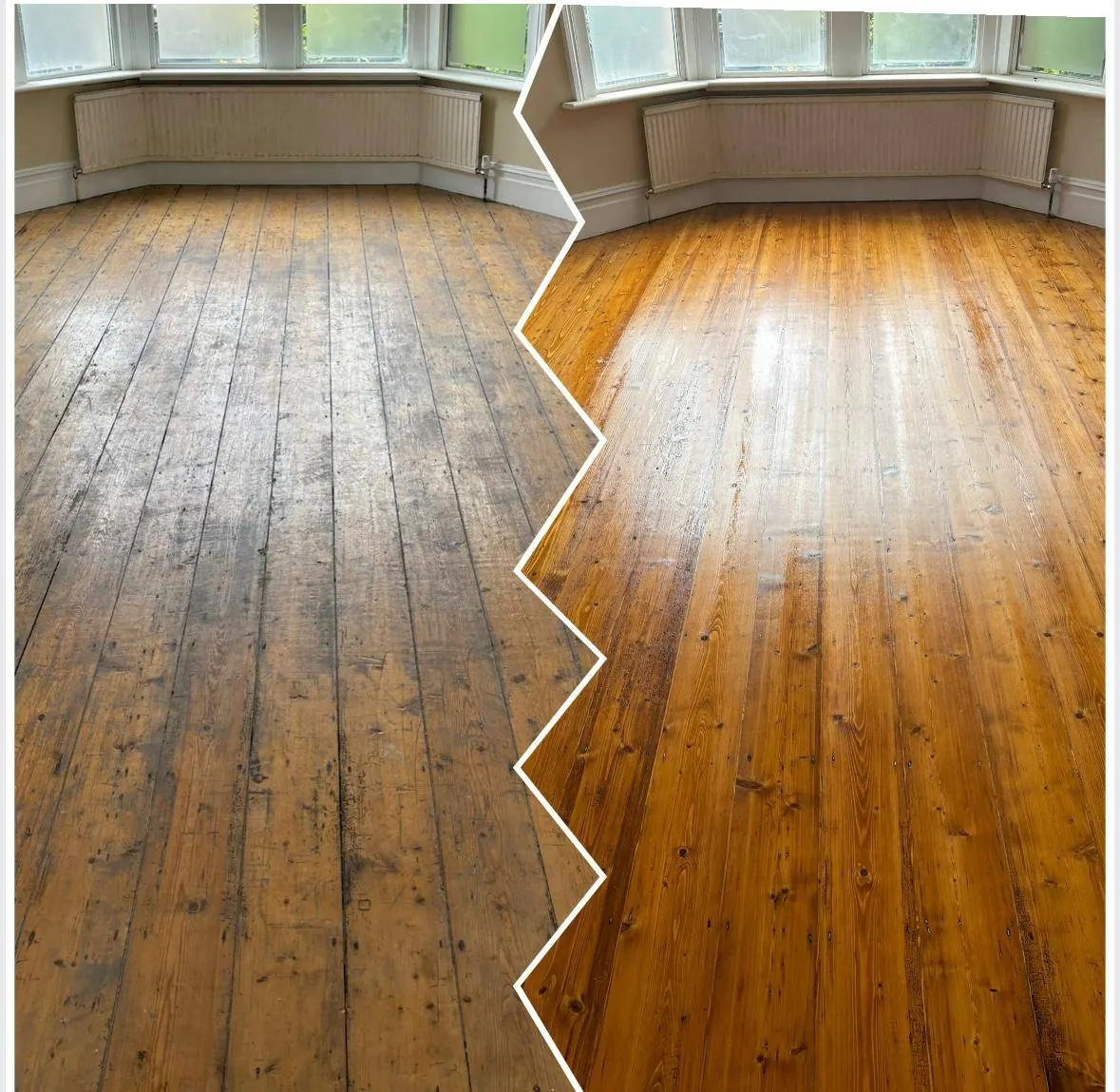
If the sun only reaches an empty hallway, UV protection matters more for the floor than for your skin. See whether window tint stops floors and furniture fading.
How window film blocks UV
Window film contains UV absorbers built into its layers. They stop the UV before it passes through the glass into the room. Every film we install blocks more than 99% of UV, whether it’s a dark reflective film or one that’s almost invisible.
How dark a film looks has nothing to do with how much UV it blocks. Some films look clear and still block almost all UV. That means you can get UV protection without making the room darker:
- Solar Gard LX 70 lets 70% of the light through and blocks more than 99% of UV.
- Solar Gard ULR 80 lets 77% of the light through with very low reflection.
See whether window tint will make your house dark for how light and heat figures work.
Does your glass already block UV?
| Glass | UVA protection on its own | Does film help? |
|---|---|---|
| Single clear float or toughened glass | Low, much of the UVA gets through | Yes, the biggest improvement |
| Double glazed with clear glass | Varies with the glass in the unit | Usually, if the film suits the glass |
| Laminated glass | Blocks almost all UVA | Little for UV, but film can still cut heat and glare |
| Low-E coated glass | Varies with the coating | Often, check the glass first |
| Skylights | Varies, laminated skylights block most UVA | Glass skylights can be filmed. See whether you can tint skylights |
Not sure what glass you have? Toughened and laminated safety glass usually has a small stamp in one corner showing the glass type. Send us a photo of it with your quote request.
What window film doesn’t do
- It only works with the window closed. An open window or sliding door lets UV straight in.
- It doesn’t replace sun protection outdoors. Outside, follow normal advice: sunscreen, a hat, sunglasses and shade.
- It isn’t a medical treatment. If you have a skin condition affected by light, talk to your doctor about what protection you need.
A bonus: UV protection for your home too
The same UV block that protects your skin also protects floors, rugs, furniture and artwork. UV is the main cause of fading, so a film that blocks more than 99% of it greatly slows fading down, even though nothing stops it completely. Most films also cut heat and glare at the same time. See our heat reduction window film.
The bottom line
Window glass stops most UVB, but ordinary clear glass lets much of the UVA through. Quality window film blocks more than 99% of UV, including UVA, and clear films do it without darkening the room. For most people, UV through windows is a small risk, but if you spend hours each day in the sun beside glass, film is a simple way to reduce it.
As a Solar Gard Authorised Dealer, we install films that block more than 99% of UV with the manufacturer’s warranty. See our UV protection window film and residential window tinting pages, or send your glass sizes through the free quote form.