Shopfront Window Tinting: Stop Heat, Glare & Faded Stock
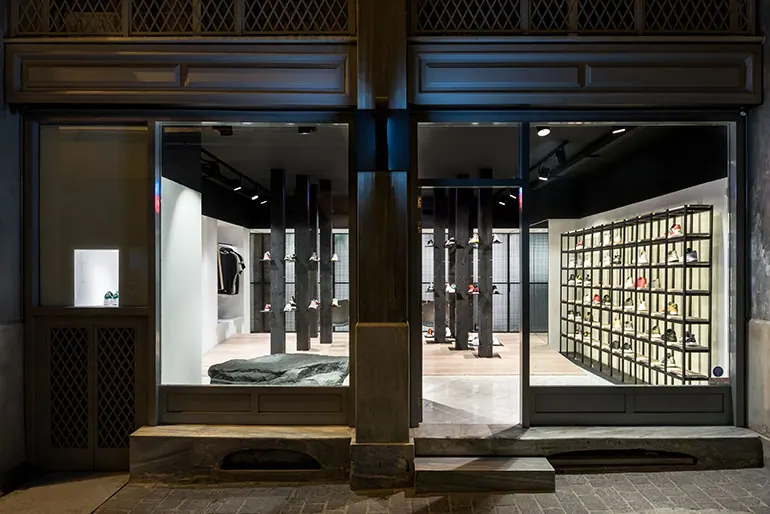
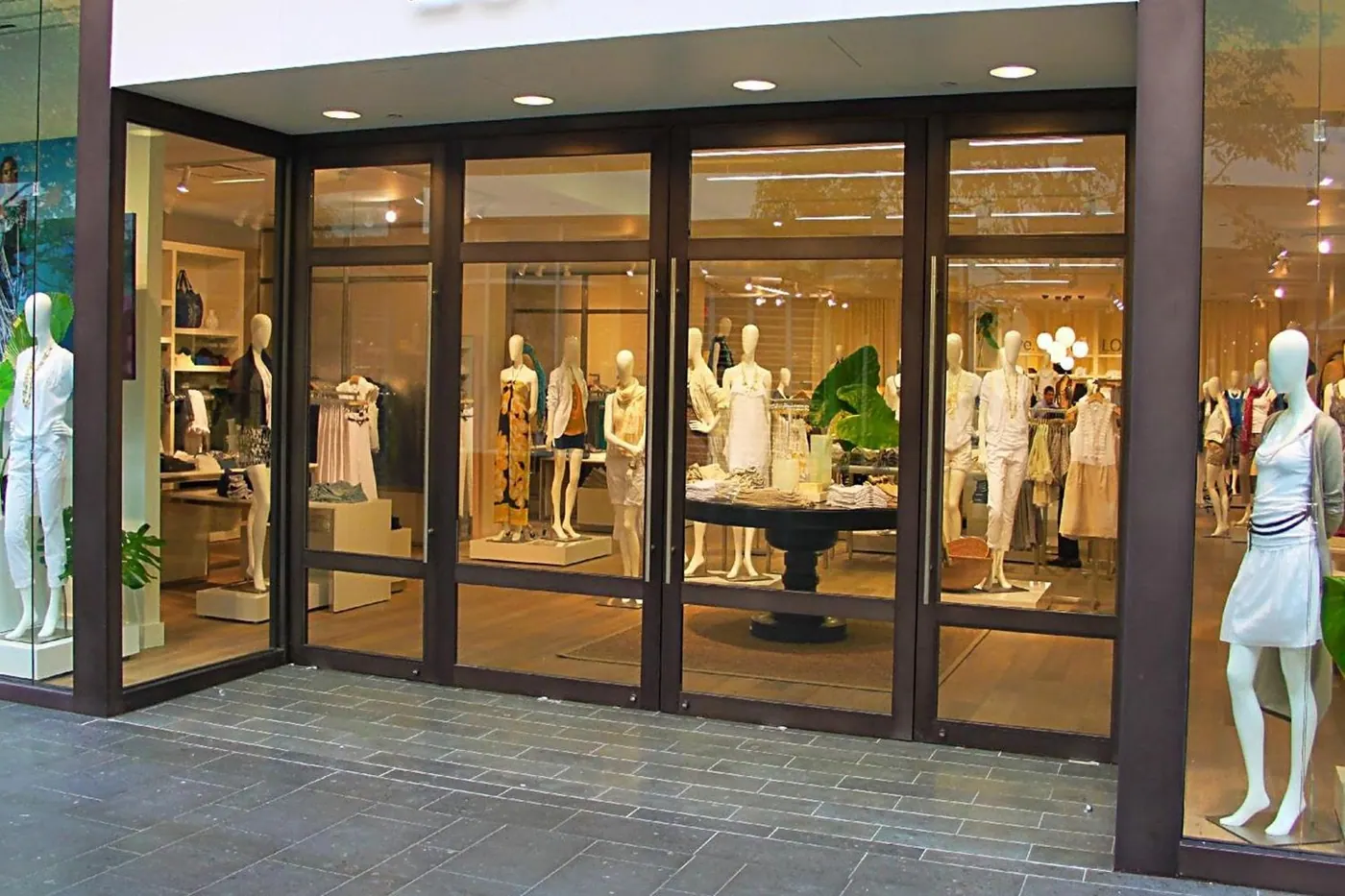
A shopfront is your best advertising, but all that glass comes with problems. Afternoon sun bakes the shop, glare hides your display, UV fades your stock, and a big pane of glass is an easy target. The right window film fixes all of these while keeping your shop looking open and inviting from the street.
This guide covers what shopfront film can do, which film to choose, and how to get it done without closing the shop.
Common shopfront glass problems
- Heat: staff and customers sweltering near the windows, and air conditioning that can’t keep up
- Glare: reflections on the glass and screens that make it hard to see inside
- Faded stock: clothing, packaging, books and display products losing colour
- Faded fit-out: flooring, signs and shelving near the window
- Smash-and-grab: a quick break-in through the front glass
- Graffiti and scratching: tags etched into the glass
- Privacy: back-of-house areas, treatment rooms or offices visible from the street
Protecting your stock from fading
Fading is expensive in retail because faded stock often can’t be sold at full price. The main cause is UV, and almost all professional films block more than 99% of it. Films that also reduce light and heat cut fading further.
Official Solar Gard fade reduction figures on 6mm clear glass:
| Film | Visible light in | Fade reduction | Heat rejected |
|---|---|---|---|
| LX 70 | 70% | 46% | 54% |
| Ceramic CX 60 | 61% | 51% | 40% |
| LX 55 | 56% | 54% | 56% |
| Ceramic CX 50 | 50% | 60% | 48% |
| Ceramic CX 35 | 37% | 70% | 58% |
All of these block more than 99% of UV. Read does window tint stop fading? for more.
Keeping the shop looking open
The biggest worry retailers have is that tint will make the shop look dark or closed. The answer is to choose:
- A light film, letting in 50% or more of visible light
- A low-reflective film, so customers see your display rather than their own reflection
Films like LX 70, LX 55 and Ceramic CX 60 suit most shopfronts. They’re close to neutral, keep the display clear from the street, and still cut heat, glare and UV. Strong mirror films are rarely a good fit for retail because they hide the display during the day. See ceramic vs reflective window film.
Cutting heat and glare
West-facing shopfronts can be unbearable in the afternoon. A medium film like Ceramic CX 35 rejects 58% of solar heat while still letting in 37% of visible light. If the shop has an awning, a lighter film may be enough. See how to stop heat through west-facing windows.
Smash-and-grab and security
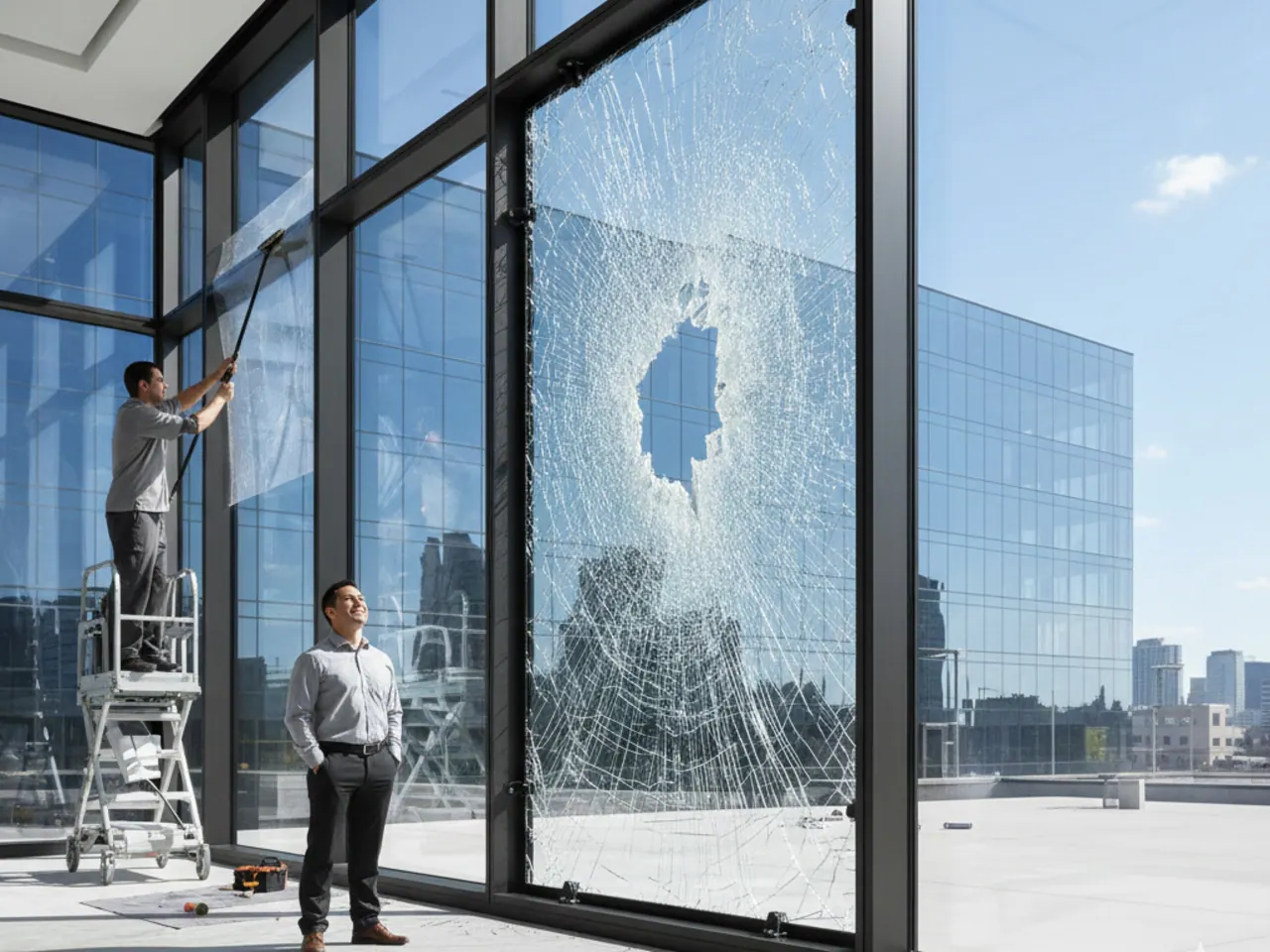
Security film holds broken glass together, so a thief can’t quickly smash a hole and grab stock. 4 mil security film is commonly used on shopfronts for this, with 7 mil where security is the main concern. It’s clear, so your display isn’t affected. Read does security window film stop break-ins?
Graffiti and scratching
Anti-graffiti film is a clear, tough layer applied to the glass. If it’s tagged, scratched or etched, the film is replaced instead of the glass, which is usually far cheaper. It’s often applied to the outside of the glass, where the damage happens. See when window film can go on the outside of the glass and our anti-graffiti window film page.
Privacy for part of the shop
Many shops need privacy for some areas:
- Treatment rooms in salons, clinics and beauty studios
- Change rooms with glass nearby
- Offices and storerooms behind the shopfront
- Lower glass panels, to hide clutter while keeping the top clear
Frosted film is the usual choice. It can be plain, a band at a set height, or cut with your logo. See our frosted window film page.
Branding with film
Frosted or cut film can carry your logo, opening hours or a decorative band on the glass. It looks more premium than stickers and lasts longer. It also helps meet visibility requirements for large glass doors, which Australian Standard AS 1288 requires in some situations.
Things to check before tinting a shopfront
- Landlord or centre management: many leases and shopping centres control the look of the shopfront. Get approval first and give them the film data sheet.
- Council or heritage controls: in some heritage areas, shopfront changes are restricted.
- Glass type: large shopfront panes, tinted glass and laminated glass need checking before darker or reflective film goes on.
- Signage: existing vinyl lettering may need to come off and go back on after tinting.
Installation without closing
Shopfront tinting can be done outside trading hours, early in the morning, after close or on a quieter day. Each decent-size pane usually takes 20 to 30 minutes including cleaning and prep, so most single shopfronts are finished in a few hours.
How much does it cost?
Commercial tinting in Sydney generally costs around $100 to $400 per square metre, depending on the film, access and whether old film needs removing. Security and anti-graffiti films are priced separately from tint. See how much window tinting costs in Sydney.
Which film for which business?
| Business | Common choice |
|---|---|
| Clothing and fashion | Light film with high fade reduction, low reflection |
| Furniture and homewares | Light to medium film to protect fabrics and timber |
| Cafes and restaurants | Medium film to cool window seating and cut glare |
| Pharmacies and convenience | Light film plus 4 mil security film |
| Salons, clinics and studios | Frosted film for treatment areas, light film elsewhere |
| Real estate and offices | Light film to cut glare on screens, frosted band for privacy |
| Jewellers and electronics | 7 mil security film, often clear |
Every shop is different, so we look at the direction the glass faces, what’s on display and what’s behind the glass before recommending a film. See also how to stop glare on office screens if your shopfront has staff working at desks.
Energy costs
Shopfronts often run air conditioning all day with the door opening and closing. Cutting the heat that comes in through the glass reduces the load on the system, especially on west-facing shops. Exact savings depend on the shop, the system and energy prices, but less heat in means less work for the air conditioner. Try our energy savings calculator for an estimate.
The bottom line
Shopfront window tinting cuts heat and glare, slows stock fading by blocking more than 99% of UV, and can protect against smash-and-grab and graffiti. Choose a light, low-reflective film so the display stays clear and the shop looks open, and add security or frosted film where needed. Installation can be done outside trading hours.
As a Solar Gard Authorised Dealer, we tint shopfronts across Sydney with the manufacturer’s warranty. See our commercial window tinting page, or send your glass sizes through the free quote form.