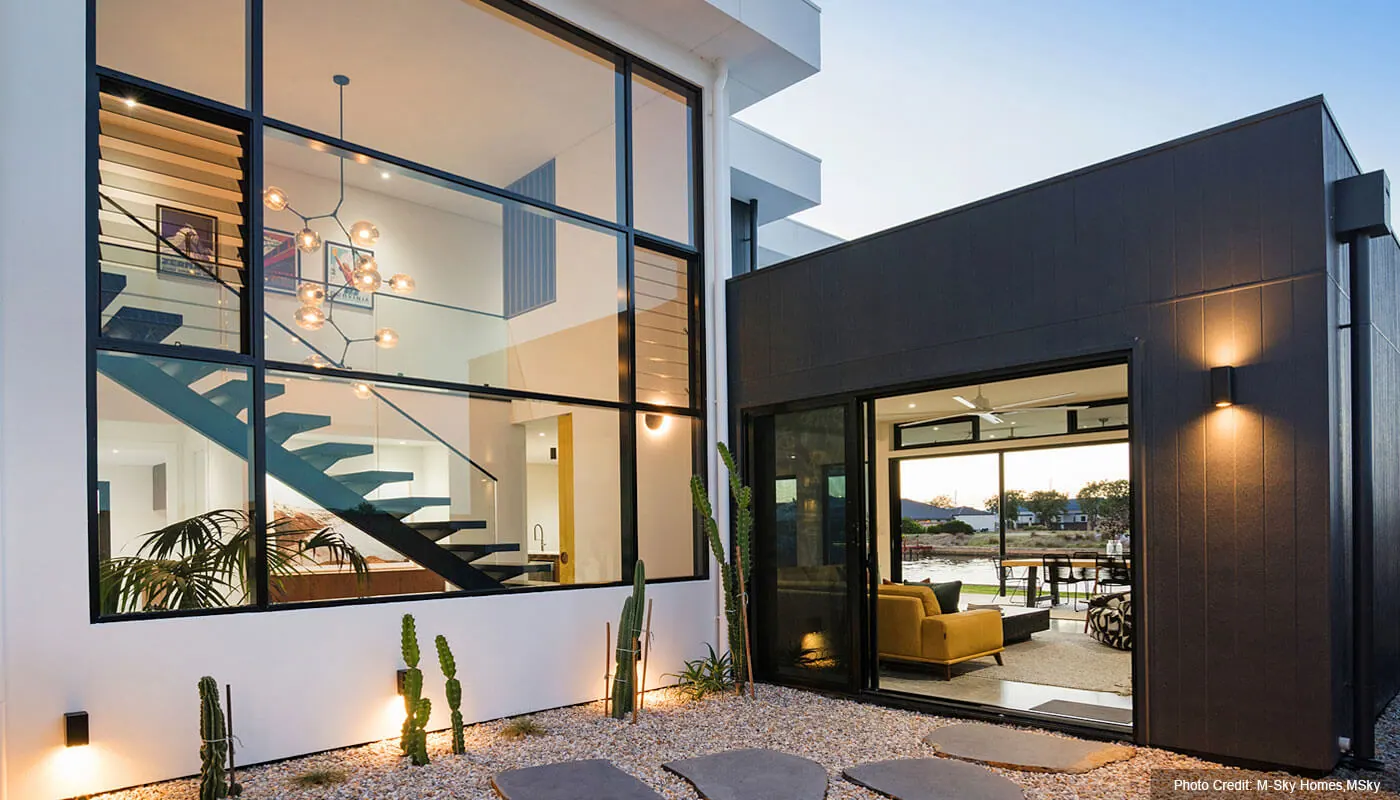
Can You Put Window Tint on the Outside of a House Window?

Can you put window tint on the outside of a house window? Yes, you can, but there’s a catch. Standard window tint is designed for the inside of the glass, and if you apply it outside, the warranty won’t apply. There are some window films designed for the outside, including anti-graffiti films and some reflective films, but their warranties are much shorter than films installed on the inside.
This guide explains when exterior window film makes sense, which films are made for it, and the trade-offs.
Why window tint usually goes on the inside
Almost all window tinting is done on the inside surface of the glass, and there are good reasons for that:
- Protection. Inside, the film is protected from sun, rain, wind, dust, birds and pressure cleaning.
- Durability. Interior films last much longer, often for the life of the warranty and beyond.
- Warranty. Manufacturer warranties on interior films range from 10 years to lifetime when professionally installed.
- Easy access. No ladders, scaffolding or working at height outside.
Standard interior films don’t have a top coat designed for weather, UV exposure on the outer face or regular outdoor cleaning. Put one outside and it will scratch, weather and break down much faster. That’s why the manufacturer warranty doesn’t cover it.
Films designed for the outside
Some films are made specifically for exterior application. They have tougher, weather-resistant surfaces.
Anti-graffiti film
Anti-graffiti film is a clear, sacrificial layer that goes on the outside of shopfront glass, bus shelters, lifts and other surfaces at risk of vandalism. It takes the scratching, etching and tagging instead of the glass. When it’s damaged, the film is peeled off and replaced, which costs far less than replacing the glass. See our anti-graffiti window film page.
Exterior reflective solar control films
Some reflective films are made for exterior use. They’re used where interior film isn’t suitable, for example on some glass types where interior film increases the risk of thermal stress, or where the inside of the glass can’t be reached.
Exterior safety and security
Some security applications use exterior films, but most safety and security films are designed for the inside, often with edge sealing. See our security window film page.
The trade-off: shorter warranty
Exterior films are tougher than interior films, but they still live a harder life. They’re exposed to:
- Direct sun on the film surface
- Rain, salt air and pollution
- Dust and grit that can scratch during cleaning
- Wind-blown debris
- Temperature swings
As a result, exterior films have much shorter warranties than interior films. Expect to replace an exterior film sooner. For most homes, interior film is the better long-term choice whenever the inside of the glass can be reached.
When exterior window film makes sense
| Situation | Why exterior film |
|---|---|
| Vandalism or graffiti on shopfront glass | Anti-graffiti film must face outward to protect the glass |
| The inside of the glass can’t be reached | E.g. fixed internal obstructions, some atriums |
| Glass not suited to interior film | E.g. some double glazed or Low-E units where interior film adds thermal stress |
| Interior surface not suitable | E.g. textured or patterned glass on the inside face |
For double glazing, interior film on the inner pane is usually still possible when the film is checked for compatibility. See can you tint double glazed windows?
Exterior window film vs interior window film
| Interior film | Exterior film | |
|---|---|---|
| Typical use | Almost all homes and offices | Anti-graffiti, special cases |
| Protected from weather | Yes | No |
| Durability | Long | Shorter |
| Warranty | 10 years to lifetime (many films) | Much shorter |
| Installation | From inside | From outside, often at height |
| Heat rejection | Excellent | Excellent (exterior solar films) |
What about heat rejection?
Exterior solar films can be very effective at rejecting heat, because they stop the sun’s energy before it reaches the glass. But for most homes, a good interior film gives excellent heat reduction with a much longer life. See the best window film for heat reduction.
Can I just put my interior film outside to avoid moving furniture?
We don’t recommend it. Interior film applied outside will wear out faster, and you’ll lose the manufacturer warranty. It’s almost always worth moving furniture or working around obstacles to install the film where it’s designed to go.
Caring for exterior window film
If you do have exterior film, a little care helps it last:
- Clean with mild soapy water and a soft cloth or squeegee
- Never use pressure washers close to the film edges
- Avoid abrasive pads, blades and harsh chemicals
- Rinse off salt, dust and bird droppings regularly, especially near the coast
- Check the edges once or twice a year for lifting
For anti-graffiti film, tags and scratches are dealt with by replacing the damaged section of film, which is the whole point. It keeps the glass underneath like new.
Interior film is usually the answer for homes
For most homes, the question isn’t really “can I put tint on the outside?” but “what’s the best way to fix my heat, glare or privacy problem?” In almost every case, that’s a quality interior film with a full manufacturer warranty. Save exterior films for the jobs they’re designed for, like protecting shopfront glass from vandalism.
Why interior film still rejects heat well
A common worry is that interior film can’t stop heat because the sun has already passed through the glass. In practice, a quality interior film still rejects a large share of the sun’s energy. Reflective films bounce it back out through the glass, and absorbing films soak it up, with part of that energy re-radiated outside. Official Solar Gard figures for interior films on 6mm clear glass show heat rejection of up to 79% (TrueVue 5).
So, for heat reduction in homes and offices, interior film gives excellent results without the shorter life and warranty of an exterior film. See does window tint really reduce heat in a house?
Questions to ask before choosing exterior film
- Can the inside of the glass be reached at all?
- Is the glass type suitable for interior film?
- What warranty does the exterior film carry, and what does it cover?
- How will the film be cleaned and maintained?
- Is the film designed for exterior use, or is it an interior film being used outside?
The bottom line
Can you put window tint on the outside of a house window? You can, but standard interior films lose their warranty when applied outside, and they won’t last as long. Films designed for the outside, like anti-graffiti films and some reflective films, are available, but their warranties are much shorter than interior films. For most homes and offices, interior film is the better choice.
As a Solar Gard Authorised Dealer, we’ll always recommend the right film for the right surface. Explore our anti-graffiti window film, commercial window tinting and residential window tinting pages, or send your glass sizes through the free quote form.