Window Tinting a Rental: Do You Need Landlord Approval?
If you’re renting and your home is too hot, too bright or too exposed, window film can make a big difference. But in NSW you need your landlord’s consent before tinting a rental. The good news is that some film counts as a “minor change” a landlord can’t unreasonably refuse, and many landlords are happy to approve quality film anyway because it adds value to the property.
This guide covers what NSW rules say, how to ask, and what to agree before the film goes on.
This is general information, not legal advice. Check the current rules with NSW Fair Trading or a tenancy advice service for your situation.
Why renters tint their windows
- Heat: west-facing rooms and big sliding doors that make the place unbearable in summer
- Energy bills: tenants usually pay the power, so cutting air conditioner use saves them money
- Privacy: street-facing windows or windows looking straight at a neighbour
- Glare: working from home with a screen facing a bright window
- Security: ground-floor windows and sliding doors
- Bathrooms: clear glass where it should be frosted
What NSW rules say
Under NSW tenancy law, tenants need the landlord’s consent to make changes to the property. A landlord cannot unreasonably refuse consent for minor changes, and NSW Government guidance gives a list of examples.
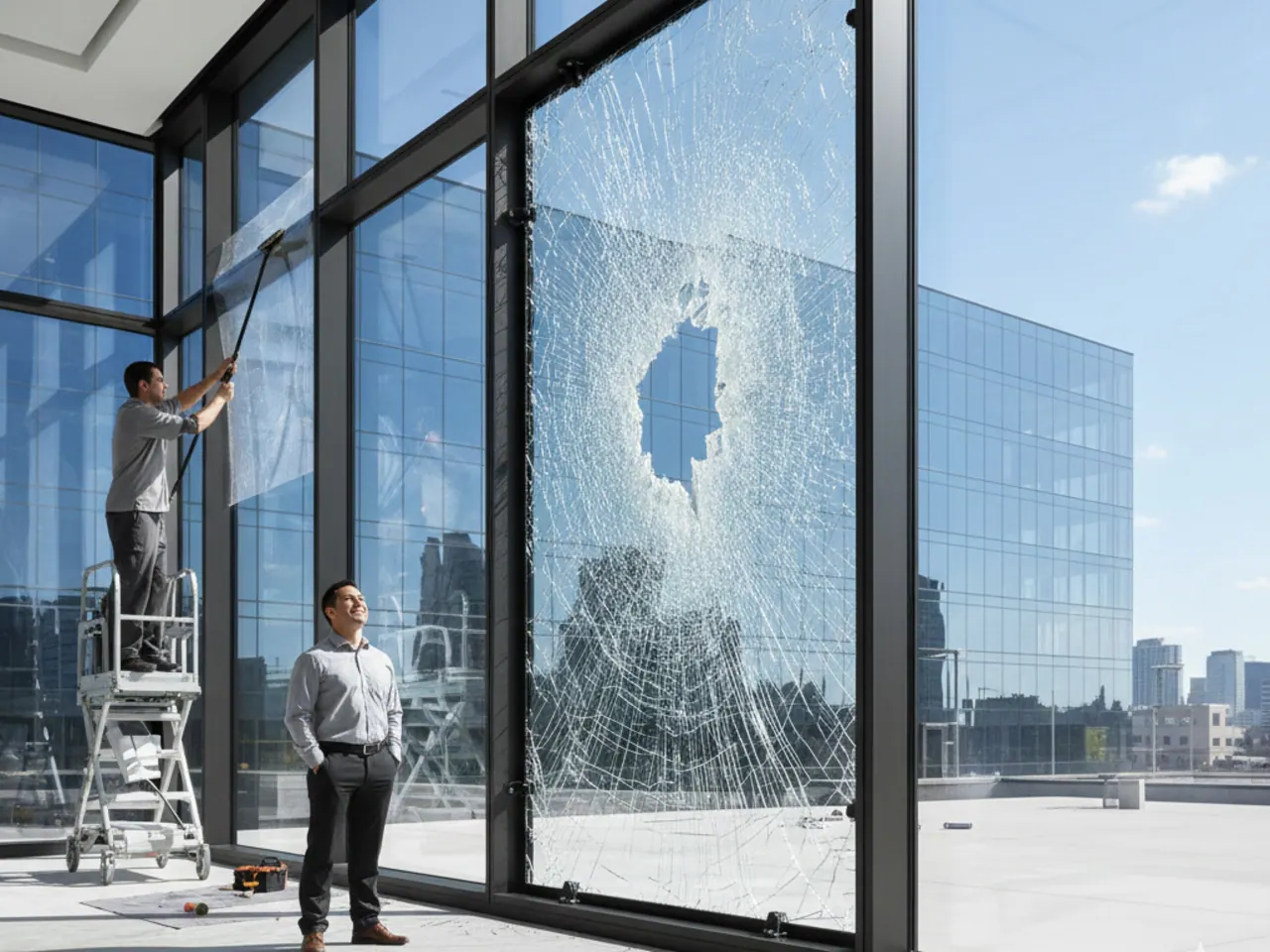
That list includes “applying shatter-resistant film to windows or glass doors”. So if you want safety or security film, the landlord would need a good reason to say no.
Tinted, reflective or frosted film for heat, glare or privacy isn’t specifically named on that list. You still need consent, and the landlord has more room to decide. In practice, many landlords agree, especially to a quality professional film.
Some exceptions apply. The minor change rules don’t apply to heritage-listed properties, and there are extra restrictions for properties in strata schemes and some other types of housing.
Strata properties
If the rental is an apartment or townhouse in a strata scheme, the strata by-laws apply on top of your lease. Most by-laws control anything that changes the outside appearance of the building, which includes dark or reflective film. Your landlord may need to get approval from the owners corporation before agreeing. Read can I tint my apartment windows? for how strata approval works.
How to ask your landlord
- Put it in writing. Email the landlord or agent. Keep a copy of your request and their reply.
- Explain what and why. Name the rooms and the reason, for example heat in the west-facing living room or privacy in the bathroom.
- Give the film details. Include the brand, film name and a data sheet. A professional film from a known manufacturer is much easier to approve than an unknown product.
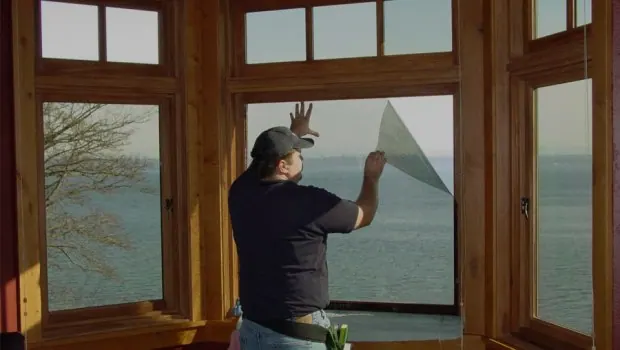
- Mention professional installation. Landlords worry about bubbling film and scratched glass. A professional install with a manufacturer’s warranty answers that.
- Say what happens at the end of the lease. Offer to remove it, or ask if they’d like to keep it.
- Ask about cost sharing. If the film adds value, some landlords will contribute.
We can provide a written quote and the film’s data sheet to help with your request.
What to agree before installation
Get these points agreed in writing:
- Which windows will be tinted
- Which film will be used
- Who pays for the installation
- Whether the film stays when you move out, or must be removed
- Who pays for removal, if it has to come off
Film that’s left on usually needs to be in good condition. Removal can be time-consuming, so it’s worth sorting out upfront. See window tint removal: cost and when it’s needed.
Which film suits a rental?
Heat reduction
A light to medium film like Ceramic CX 35 or LX 40 cuts heat and glare with a neutral look that landlords and strata committees are usually comfortable with.
Daytime privacy
Reflective film gives privacy during the day, but it changes the look from outside and may need strata approval. See is mirror tint good for house windows?
Bathrooms and privacy day and night
Frosted film. It looks clean and neutral and is easy for landlords to approve. See the best privacy film for bathroom and bedroom windows.
Security
Clear 4 mil or 7 mil security film. This falls under shatter-resistant film. See does security window film stop break-ins?
What about DIY or “removable” film?
Static-cling and DIY films from hardware stores are cheap and removable, which is why renters look at them. But they’re usually less effective at rejecting heat, harder to apply without bubbles, and can look untidy. Some landlords are more nervous about DIY film than about a professional install. Read Bunnings window film vs professional tinting.
For landlords
If you own a rental, window film is a low-cost way to:
- Make a hot property more comfortable and easier to let
- Protect floors, carpets and blinds from UV fading
- Add privacy or security for tenants
- Reduce glare and heat complaints
Professional film can be removed later if needed, and quality films come with manufacturer warranties. See does window tint stop fading?
How much does it cost?
Most residential window tinting in Sydney costs around $100 to $400 per square metre, depending on the film and access. There’s no minimum charge, so tinting just one hot room or a bathroom window is fine. See how much window tinting costs in Sydney.
A sample consent request
Here’s a simple way to word your request:
“I’d like to install window film on the living room and main bedroom windows to reduce heat and glare. The film is [brand and film name], professionally installed with a manufacturer’s warranty. I’ve attached the quote and data sheet. I’ll pay for the installation and I’m happy to [remove it / leave it] at the end of the lease. Could you please confirm in writing whether this is approved?”
The bottom line
You need your landlord’s consent to tint a rental in NSW. Shatter-resistant safety and security film is listed as a minor change a landlord can’t unreasonably refuse, while tinted and frosted films are up to the landlord, and to strata if it’s an apartment. Ask in writing, give the film details, and agree upfront who pays and whether the film stays when you leave.
As a Solar Gard Authorised Dealer, we can provide a written quote and film data sheets for your landlord. See our residential window tinting page, or send your window sizes through the free quote form.