Is There a Window Film That Gives Privacy Day and Night?
One of the most common questions we get is whether there’s a window film that gives privacy day and night while still letting you see out. It’s a fair question, and a lot of products online make it sound possible. The honest answer is no.
Opaque and frosted films are the only window films that give both daytime and night-time privacy. The trade-off is that the view is blocked both ways. You can’t see out, and nobody can see in.
In this guide I’ll explain why tinted and one way films can’t give privacy at night, what does work, and how to choose the right privacy film for each room.
Why window tint doesn’t give privacy at night
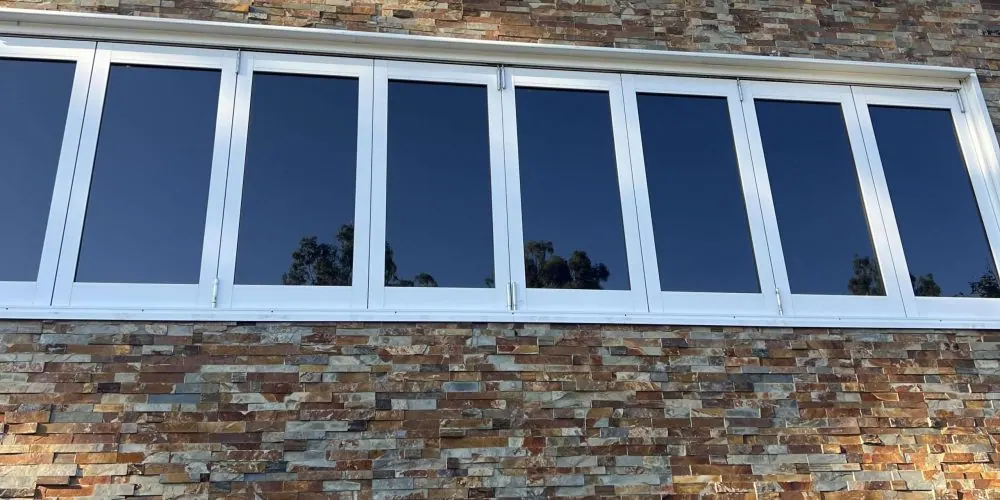
Tinted and reflective films work on light levels. Whichever side of the glass is brighter sees a reflection, and whichever side is darker sees through.
- During the day, it’s brighter outside. People outside see a reflection or a dark window. You see out. That’s one way privacy.
- At night, with your lights on, it’s brighter inside. Now the effect reverses. People outside can see in, and you see a reflection of the room.
This is physics, not a fault in the film. No tint or one way mirror film can change it. So when someone searches for “tint you can see through at night”, the answer is that it doesn’t exist in a way that keeps you private.
What gives privacy day and night
Frosted window film
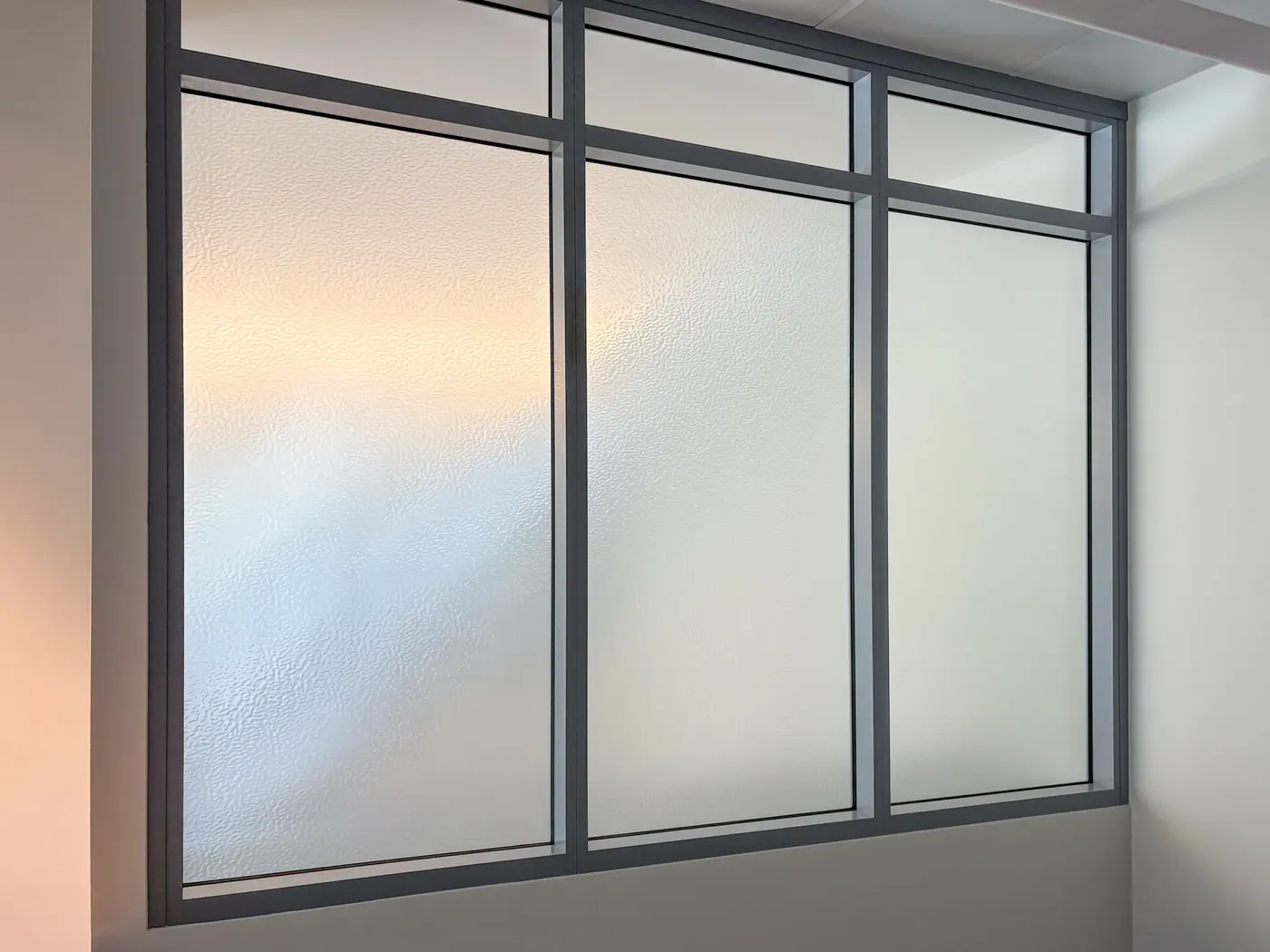
Frosted film diffuses light so the view through the glass is blurred from both sides, all the time. It doesn’t rely on light levels, so it works the same at midnight as it does at noon.
- Light still comes through, softly and evenly
- No view in, and no clear view out
- Ideal for bathrooms, toilets, side windows, front door glass and office partitions
See our frosted window film page.
Opaque (blackout) window film
Opaque film is solid. It blocks the view completely, in both directions, day and night.
- Black opaque film blocks all visible light (0% light)
- White opaque film blocks the view but lets a soft glow through (around 9% light)
- Ideal for media rooms, bedrooms for shift workers, storage areas, shopfront backing and partitions
See our blackout window film page.
Decorative and patterned film
Fluted, reeded and patterned films also blur the view both ways, so they give day and night privacy with a feature look. Read more in fluted, reeded and stained glass window film.
Privacy film comparison: day vs night
| Film type | Privacy by day | Privacy at night | You can see out | Light in |
|---|---|---|---|---|
| Light tint | Low | No | Yes | High |
| Reflective / one way film | High | No | Yes | Medium |
| Frosted film | High | Yes | No | High (diffused) |
| White opaque film | Full | Yes | No | Low (glow) |
| Black opaque film | Full | Yes | No | None |
So which privacy film should you choose?
It depends on the room and how you use it.
You want a view during the day and can use curtains at night
Choose a reflective or dual reflective film. You keep your view, get strong daytime privacy, and cut heat and glare as well. Close the curtains at night. This is what most people choose for living rooms, street-facing windows and sliding doors. See our one way mirror window film page.
You never need to see out of that window
Choose frosted film. It gives privacy 24 hours a day without curtains, and the room stays bright.
You want no light and no view
Choose opaque blackout film: black for a full blackout, white for a soft glow.
You want a mix
Many homes combine films. For example:
- Reflective film on the main living room windows
- Frosted film on the bathroom and toilet
- Frosted strip on the lower half of a bedroom window, with the top left clear for light and sky
- Blackout film on a home theatre
Our guide to privacy window film that still lets light in goes through these choices in more detail.
Bedrooms: the tricky one
Bedrooms are where the day and night question matters most. Some people want full privacy and choose frosted film, the same as a bathroom. Others want to keep their view, so they choose a dark reflective film for daytime privacy and use curtains at night. Both are good choices. It comes down to whether the view matters to you. See privacy film for bathroom and bedroom windows.
A note on lighting
If you choose reflective film, you can improve night-time privacy a little by:
- Using lamps away from the windows instead of bright ceiling lights near them
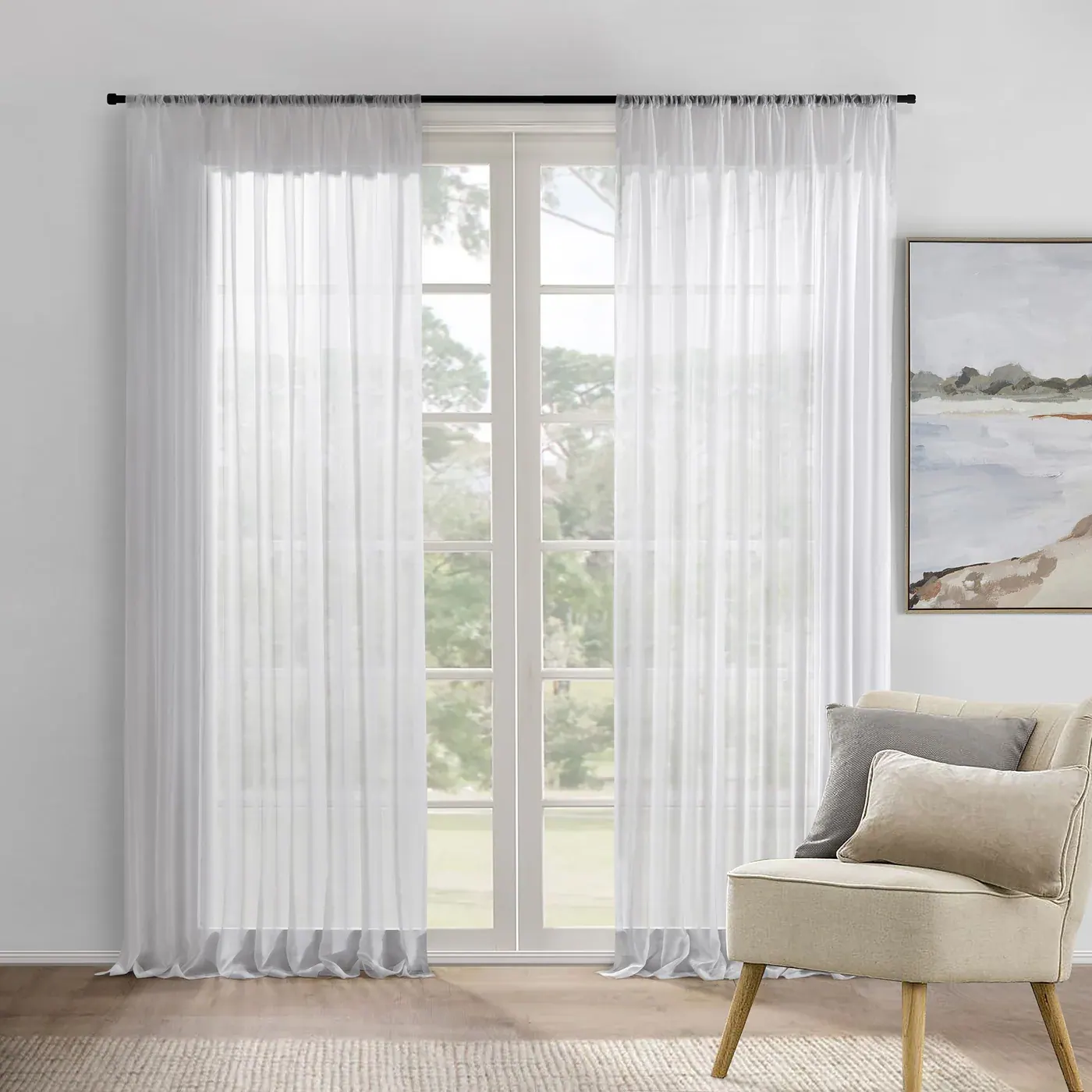
- Using sheer curtains, which work well with reflective film
- Adding outdoor lighting, which reduces the difference in brightness
These help, but they don’t replace curtains or frosted film if you need full privacy at night.
Common myths about night-time privacy film
“Darker tint means privacy at night.” No. Even the darkest tint lets people see in at night if your lights are on. Darker tint just makes it a bit harder, not impossible.
“Some one way films work both ways.” The physics doesn’t change. Any film you can see through will show the brighter side to the darker side.
“Frosted film makes the room dark.” It doesn’t. Frosted film diffuses light rather than blocking it, so rooms stay bright.
“Blackout film is only black.” White blackout film blocks the view but lets a soft glow through, which suits bathrooms and offices.
Combining films on the same window
You don’t have to choose one film per window. Some of the most practical privacy solutions combine two:
- Frosted lower half, reflective upper half. Full privacy at eye level day and night, with heat control and a view of the sky above.
- Frosted band across a reflective window. A strip of frosting at eye height on a large window or sliding door.
- Reflective film on the outer glass of a room, frosted on internal glass. Common in offices with external windows and glass meeting rooms.
These combinations need careful measuring and neat joins, which is where professional installation pays off.
The bottom line
There isn’t a window film that lets you see out at night while stopping people seeing in. If you need privacy day and night, frosted and opaque films are the only window films that do it, and the view is blocked both ways. If you want to keep your view, reflective film gives excellent daytime privacy, plus heat and glare reduction, and curtains take care of the night.
Not sure which is right for your windows? Read more about privacy window film or send us your glass sizes through the free quote form. Tell us which rooms you’re looking at and how you use them, and we’ll recommend the right film.