How a Commercial Tinting Job Works, From Quote to Handover
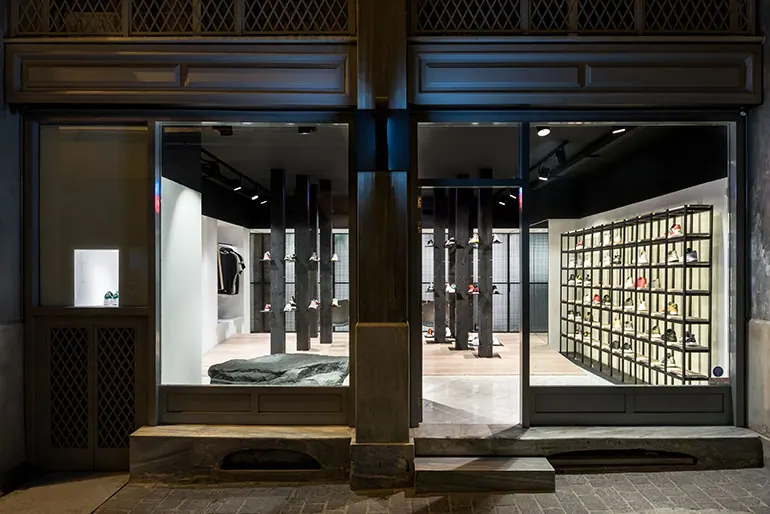
Tinting a commercial building isn’t just a bigger version of tinting a house. There are tenants, landlords and building managers to think about, staff and customers who still need to use the space, and often more glass on one floor than a whole street of homes. A good commercial tinting job is mostly about planning. The installation itself is the easy part.
This guide walks through how a commercial tinting job runs in Sydney, from the first enquiry to handover, so you know what to expect and what to prepare.
Step 1: Defining the problem
Every commercial job starts with what the film needs to fix. The most common reasons businesses tint are:
- Heat, especially on west and north-facing glass and large glass facades
- Glare on computer screens, reception desks and display screens
- Fading of stock, signage, carpets and furniture
- Privacy for meeting rooms, consulting rooms and street-level offices
- Safety and security on shopfronts and ground-floor glass
- Appearance, giving the building a uniform look from outside
Often it’s a mix. A shopfront might need UV protection and security, while an office floor needs glare and heat control on one side only. Knowing the priorities early decides which film is right.
Step 2: Site assessment and measurements
For smaller jobs, a quote can be done from your glass sizes and a few photos. Larger or more complex buildings usually need a site visit. We look at:
- Orientation. Which sides get direct sun, and at what time of day.
- Glass type. Clear, tinted, laminated, toughened, Low-E or double glazed. This decides which films are safe to use.
- Access. Ladders, scaffolds or elevated work platforms for high glass.
- Existing film. Old, failed tint has to be removed before new film goes on.
- How the space is used. Desks near the glass, display areas, consulting rooms.
Step 3: Checking the glass is compatible
Window film changes how much heat the glass absorbs. On some glass, particularly large tinted panes, Low-E coatings and certain double glazed units, the wrong film can raise the risk of thermal stress cracking. Film manufacturers publish compatibility guidelines, and we check the glass against them before recommending a film. This is one of the main reasons commercial tinting shouldn’t be a guess. See can you tint double glazed windows.
Step 4: Choosing the film
With the problem, the glass and the building rules known, we recommend a film or a mix of films. For example:
- A low-reflective ceramic film such as Ceramic CX where the building can’t have a mirrored look
- A dual-reflective film such as TrueVue on hot west-facing glass where heat and glare are the main issues
- A spectrally selective film such as LX where the view and natural light must stay as they are
- Frosted or decorative film on internal partitions and meeting rooms
- Safety or security film on shopfronts and ground-floor glass
You’ll get the published specifications for each film, including visible light, solar energy rejected and glare reduction, so you can compare options properly. Our guide to ceramic vs reflective window film explains the main trade-offs.
Step 5: Approvals
Many commercial jobs need someone else’s approval before work starts:
- Tenants usually need approval from the landlord or building owner.
- Strata buildings may have by-laws on how windows look from outside, which can rule out reflective or very dark films.
- Building managers often need to approve access times, lifts, loading docks and work method statements.
We can supply film data sheets, samples and photos of the proposed look to support the application. Sorting approvals early avoids delays later. For apartments and strata, see can I tint my apartment windows.
Step 6: Scheduling around the business
The biggest concern for most businesses is disruption. The installation can be:
- Done after hours or on weekends, so staff and customers aren’t affected
- Staged floor by floor, room by room or elevation by elevation
- Coordinated with building managers for access, parking and lifts
Window film is a clean job. There’s no dust or noise from cutting into the building, and furniture usually only needs to be moved back from the glass.
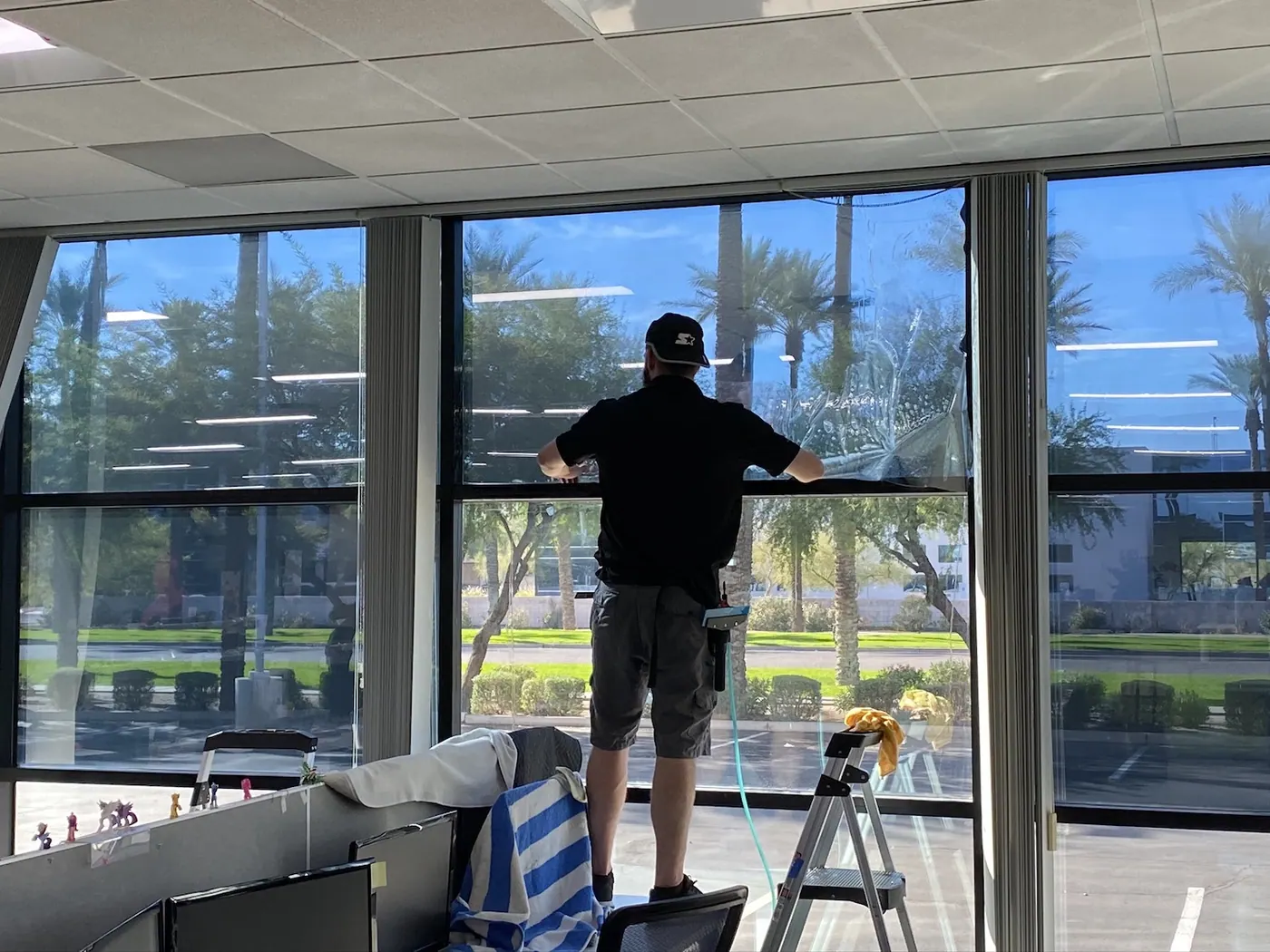
Step 7: Installation
On the day, the process for each pane is the same:
- Protect desks, floors and equipment near the glass.
- Remove any old film and adhesive, if needed.
- Clean the glass thoroughly, including the edges and frames.
- Cut the film to size and apply it with a slip solution.
- Squeegee out the water and air, and finish the edges.
- Check every panel for dust, edges and alignment.
How long it takes depends on the amount of glass and the access. A single shopfront might take a few hours. A full office floor may take a night or two.
Step 8: Curing
After installation, the film needs time to cure while the remaining moisture dries out. During this time it can look slightly hazy or watery. This is normal and clears on its own, usually within a few days to a few weeks depending on the film and the weather. Staff should avoid cleaning the inside of the tinted glass for about 30 days. Read what to expect after window tinting.
Step 9: Handover and warranty
At handover we check each panel with you, explain curing and cleaning, and register the manufacturer’s warranty. Most Solar Gard commercial films come with a 10-year manufacturer warranty. Keep the paperwork with your building maintenance records, as it’s useful if you sell or lease the building later. Comparing contractors for a job like this? See how to choose a window tinting company.
What affects the price of a commercial job
- The film chosen. Premium spectrally selective and security films cost more than standard films.
- The amount of glass. Larger jobs usually cost less per square metre.
- Access. High glass that needs lifts or scaffolding adds time.
- Old film removal. Stripping failed tint takes extra time.
- After-hours work. Scheduling outside business hours may affect the price.
See how much window tinting costs in Sydney for more detail.
Commercial spaces we tint
- Offices and business parks
- Shops and showrooms. See shopfront window tinting
- Medical and dental clinics
- Schools and childcare centres
- Warehouses and factory offices
- Restaurants, cafes and hotels
- Strata buildings and common areas
The bottom line
A smooth commercial job comes down to planning: knowing what the film needs to fix, checking the glass, getting approvals in order and scheduling around the business. The installation itself is clean and quick, and the result is a cooler, more comfortable building with less glare and faded stock.
As a Solar Gard Authorised Dealer, we tint commercial buildings across Greater Sydney, Wollongong and Wollondilly. See our commercial window tinting Sydney and office window tinting pages, or send your glass sizes and photos through the free quote form.