After Window Tinting: Curing, Cleaning and Care
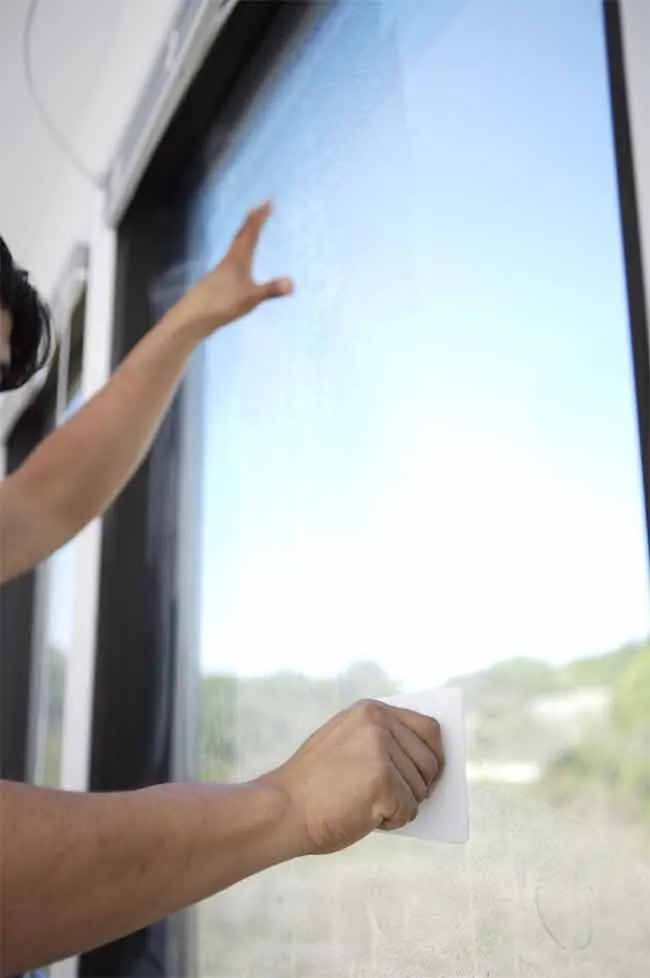
Your windows have just been tinted, and a few of them look a bit cloudy, or there are small water bubbles under the film. Don’t worry. That’s the film curing, and it’s completely normal. Window film is applied with a water-based solution, and it takes a little while for the last of that moisture to dry out.
This guide explains what to expect in the days and weeks after window tinting, how to clean tinted windows, and how to make the film last as long as possible.
Why new window film looks hazy
During installation, the glass is sprayed with a slip solution so the film can be positioned perfectly before it’s squeegeed down. Most of the water is pushed out, but a thin layer stays trapped between the film and the glass. Until it evaporates through the film, you may see:
- A slightly hazy or milky look, especially in bright light
- Small water pockets or blisters
- A faint streaky appearance on some films
These are part of curing and clear up on their own. Don’t push them out with your fingers or a card, as you can crease or scratch the film.
How long does window tint take to cure?
Curing usually takes from a few days to a few weeks. It depends on:
- The weather. Warm, sunny weather speeds it up. Cool, cloudy or humid weather slows it down.
- The film. Thicker films, such as safety and security films, take longer than standard solar control films.
- Sun direction. Windows that get direct sun cure faster than south-facing glass.
- The glass. Double glazed units and shaded windows can take a little longer.
If you still see water pockets after about four weeks in warm weather, let your installer know so they can check them.
The first 30 days: dos and don’ts
Do:
- Leave the film alone to cure
- Clean the outside of the glass as normal if you need to
- Let the sun do its work. Open curtains and blinds where you can.
Don’t:
- Clean the tinted side of the glass for about 30 days
- Press on bubbles or haze
- Stick suction cups, tape, notices or decals on the film
- Run blinds or curtains that rub hard against the film
How to clean tinted windows
After the curing period, cleaning window film is easy if you use the right products.
Use:
- A soft, clean microfibre cloth or a soft squeegee
- A mild, non-abrasive glass cleaner, or water with a few drops of mild dish soap
- A second dry microfibre cloth to finish
Avoid:
- Razor blades and scrapers on the film side
- Abrasive pads, scourers and melamine sponges
- Harsh solvents and strong chemicals
- Paper towels or rough cloths that can scratch
Clean gently, wipe in one direction, and dry the glass to avoid streaks. The outside of the glass, where there’s no film, can be cleaned as normal, including by window cleaners. Just let them know which side is tinted.
Looking after frosted and decorative film
Frosted and patterned films are cleaned the same way, with a soft cloth and mild cleaner. Because the surface is textured, fingerprints and marks can show more, so a gentle wipe with a damp microfibre cloth usually does the job. See frosted window film for offices.
Film lifespan and warranty
Quality film lasts a long time when it’s installed and cared for properly. See how long window film lasts for typical lifespans by film type. Most Solar Gard residential installations come with a lifetime warranty, most commercial installations with a 10-year warranty, and the frosted films we install with a 5-year warranty. Keep your paperwork, as the warranty is registered at installation.
Cheap DIY films are a different story. They’re more likely to bubble, peel or turn purple over time. Read Bunnings window film vs professional tinting.
Signs something isn’t right
Contact your installer if you notice:
- Bubbles that remain after the curing period, especially in warm weather
- Peeling or lifting at the edges
- Dirt or hairs trapped under the film that weren’t visible on handover
- A crack in the glass, which should be checked straight away
Most issues are picked up at handover, but it’s worth having another look once the film has fully cured.
Things that can damage window film
- Sharp objects, rings and keys dragged across the glass
- Furniture or blinds rubbing against the film
- Adhesive hooks, tape and stickers
- High-pressure water on the film edges
- Abrasive cleaning products
When film needs replacing
Even the best film eventually reaches the end of its life, and some homes and buildings have old film from a previous owner. Signs it’s time to replace it include bubbling, peeling, purple discolouration and cloudiness that never clears. Read window tint removal: cost, signs and when it’s needed.
The bottom line
A little haze and a few water pockets after window tinting are normal and clear up on their own as the film cures. Leave the tinted side alone for about 30 days, then clean it gently with a soft cloth and a mild cleaner, and the film will keep cutting heat, glare and UV for many years.
If you have questions after your installation, or you’re planning a new job, see our home window tinting and commercial window tinting pages, or contact us through the free quote form.