Window Tint Removal: Cost, Signs & When It's Needed
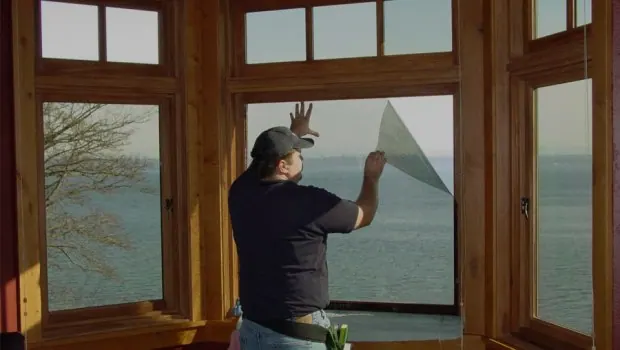
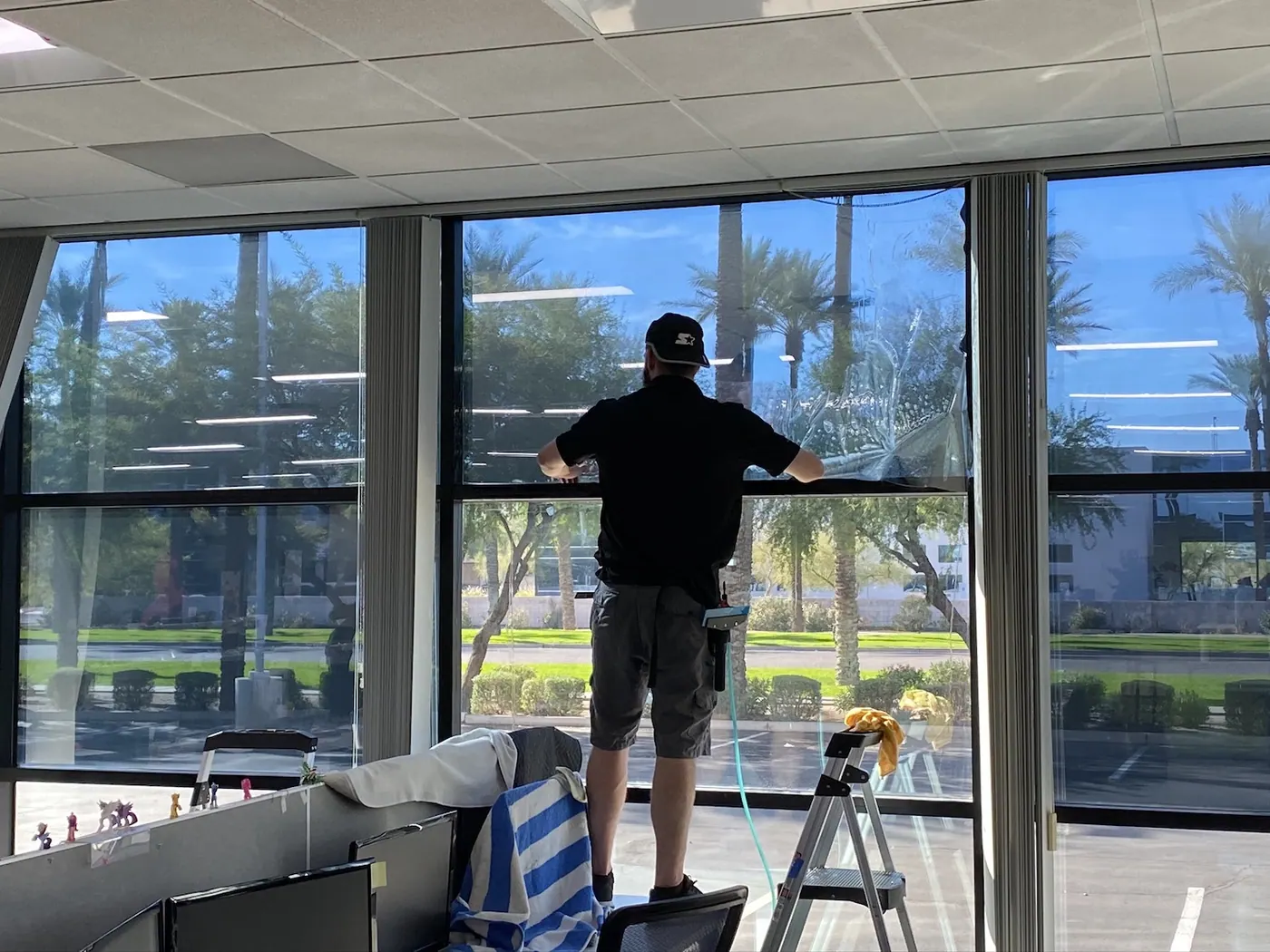
Window tint removal is one of those jobs that sounds simple and often isn’t. Old film tends to break into small pieces and leave a layer of glue behind, and getting the glass completely clean without scratching it takes time. That’s why tint removal can cost as much as, or even more than, putting new film on.
This guide covers the signs your tint needs to come off, how removal is done, what it costs and how to avoid needing it again.
Signs your window tint needs removing
Bubbling or blistering
Bubbles that appear months or years after installation usually mean the adhesive is failing. They won’t go away on their own.
Peeling edges
Film lifting at the edges or corners, often on windows that get a lot of sun or where the film has been cleaned with harsh products.
Purple or brown colour
Cheap dyed films fade from grey or black to purple or brown as the dye breaks down in the sun. Once it starts, the film also stops rejecting heat properly.
Cracking or crazing
Very old film can become brittle and crack, especially on north and west-facing glass.
Haze that won’t clear
Some cloudiness right after installation is normal and clears as the film dries. Haze that’s still there months later is a sign of a problem.
Scratches and damage
Scratched film from cleaning, pets or furniture spoils the view.
Your needs have changed
Sometimes the film is fine, but you want something different, like a lighter film to brighten a room, or a heat-rejecting film to replace an old decorative one.
Why tint removal takes so long
Removing tint isn’t just peeling off a sticker.
- The film often won’t come off in one piece. Old films become brittle and tear into small strips or flakes.
- The adhesive stays on the glass. Even when the film peels off, a sticky layer of glue is often left behind and has to be softened and scraped off by hand.
- The glass needs to be spotless. Any glue or residue left behind will show under new film as marks and bubbles.
- Different glass needs different care. Coated glass, double glazing seals and frames all need protecting.
On a modern film in good condition, removal can be quick. On a cheap film that’s been baking in the sun for years, one window can take a long time.
How professionals remove window tint
The exact method depends on the film and glass, but usually involves:
- Heat or steam to soften the film and adhesive so it peels more easily
- Careful peeling to lift as much film in one piece as possible
- Adhesive removal with a suitable solution and the right blade for the glass type
- Final cleaning so the glass is completely clear and ready for new film
- Protecting floors, sills, frames and seals from water and residue
Can you remove tint yourself?
On a small window with newer film, you might manage it. But be careful:
- Razor blades can scratch glass, especially if grit gets trapped under the blade.
- Harsh chemicals can damage window frames, seals on double glazed units, and some coated or Low-E glass.
- Ammonia-based cleaners and solvents can be unpleasant and unsafe to use indoors.
- You can end up with a half-removed mess of small pieces and sticky glue.
If you’re planning to put new film on afterwards, it usually makes sense to have the same installer do both, so the glass is prepared properly. See Bunnings window film vs professional tinting.
How much does window tint removal cost?
There’s no single price because it depends on:
- Film age and type: brittle, cheap dyed films take much longer than modern films.
- How much adhesive stays behind
- Window size and number
- Access: high windows, skylights and large sliding doors take longer
- Glass type: coated or double glazed glass needs more care
As a general guide, removal can cost as much as or more than the new tint itself. When we quote a job with old film, we include removal in the quote so you know the full price. New tinting in Sydney typically costs around $100 to $400 per square metre. See how much window tinting costs in Sydney.
Replace it or leave it?
Replace it if:
- The film is bubbling, peeling or purple
- The view is spoiled by scratches or haze
- The room is hot again, because the film has stopped working
- You’re selling, and tired film is putting buyers off
You might leave it if:
- The film is clear, flat and still doing its job
- The only issue is a small scratch in a corner
How to avoid needing removal again
- Choose a quality film. Solar Gard films are built to hold their colour and performance, with manufacturer warranties from 10 years to lifetime when professionally installed, depending on the film and whether it’s a home or a business.
- Get it professionally installed. Most early failures come from poor preparation or the wrong film for the glass.
- Clean it gently. Wait a few weeks after installation, then use a soft cloth and mild soapy water. Avoid abrasive pads, blades and ammonia-based cleaners.
- Choose the right film for the glass. Some films aren’t suitable for some glass types. We check before recommending. See the best window film for heat reduction.
Removal on special glass
Some glass needs extra care during removal:
- Double glazed units: solvents and too much water near the seals can cause problems, so we work carefully around the edges.
- Low-E and coated glass: some coatings can be scratched, so the method and blades are chosen to suit.
- Tinted glass: the colour is in the glass itself, so it’s not affected, but it still needs gentle handling.
- Skylights and high windows: access takes more time. See can you tint skylights?
The bottom line
Window tint removal is needed when film is bubbling, peeling, purple or has stopped working. It often takes longer than people expect because old film breaks apart and leaves glue behind, so removal can cost as much as or more than the new tint. Done properly, it leaves clean glass ready for a film that should last for many years.
As a Solar Gard Authorised Dealer, we remove old film and install new Solar Gard film with the manufacturer’s warranty. See our residential window tinting page, or send your window sizes and a photo of the old film through the free quote form.